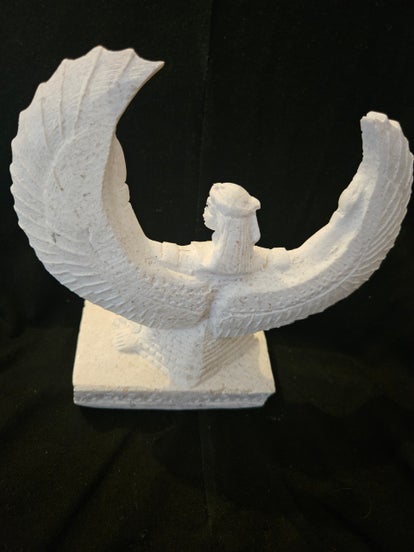
The art of ancient Egypt is renowned for its unique beauty, symbolism, and craftsmanship. Among the treasures from this civilization, ancient Egyptian statues stand out for their ability to capture both the physical and divine aspects of their subjects. These statues, often sculpted from stone, wood, or metal, provide invaluable insights into the culture, beliefs, and daily life of ancient Egyptians. The intricate details and the sheer scale of many of these works continue to awe and inspire those who study and admire them today.
The Symbolism in Ancient Egyptian Statues
Ancient Egyptian statues were more than mere artistic expressions; they were deeply imbued with symbolism. These sculptures often depicted gods, goddesses, pharaohs, and other significant figures, serving both religious and political purposes. Understanding the symbolism in these statues allows us to gain a deeper appreciation of their significance.
- Symbolic Gestures: The positioning of hands and body language conveyed messages about the power and status of the figure represented.
- Materials Used: The choice of material often had symbolic meaning, with gold representing eternity and wood symbolizing growth and life.
- Iconography: Specific symbols, such as the ankh or the Eye of Horus, were frequently incorporated into the statues to convey protective or eternal qualities.
Craftsmanship and Techniques
Methods and Materials
The craftsmanship of ancient Egyptian statues showcases the incredible skills of the artisans of the time. These artists employed a variety of techniques and materials to create these timeless masterpieces.
- Stone Carving: Limestone, sandstone, and granite were popular choices for monumental statues due to their durability.
- Wood Carving: Wooden statues were often painted and inlaid, offering a different aesthetic and requiring meticulous skill.
- Metalwork: Bronze and gold were used for smaller statues, often depicting deities and sacred animals.
Artistic Styles and Evolution
Over thousands of years, the styles of ancient Egyptian statues evolved, reflecting changes in artistic techniques and cultural influences.
- Old Kingdom: Characterized by idealized and rigid forms, often emphasizing symmetry and balance.
- Middle Kingdom: A shift towards realism, with more individualized features and expressions.
- New Kingdom: A blend of realism and idealism, with intricate details and dynamic poses.
The Cultural and Historical Significance
Ancient Egyptian statues are not just artistic creations; they are historical documents that offer a glimpse into the past. They provide us with valuable information about the historical context in which they were created.
- Religious Practices: Many statues were used in temples and tombs as part of religious rituals.
- Political Propaganda: Statues of pharaohs often portrayed them as divine rulers, reinforcing their authority and legacy.
- Societal Insights: The depiction of everyday life in some sculptures offers insights into the societal structure and daily activities of ancient Egyptians.
For those interested in exploring more about these fascinating artifacts, numerous resources are available, including opportunities to view ancient egyptian statues online. These platforms offer a chance to delve deeper into the world of Egyptian art and discover beautiful egyptian sculptures online.