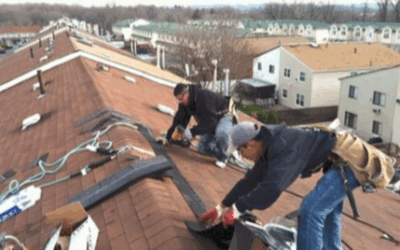
Industrial roofing in Merrimack Valley plays a crucial role in supporting the local economy, ensuring the safety and efficiency of industrial operations. With a diverse range of industries and weather patterns, this area requires specialized roofing solutions that can withstand various challenges. This article delves into the key aspects of industrial roofing solutions tailored specifically for Merrimack Valley, providing insights into the options available for businesses seeking durable and reliable roofing systems.
Types of Industrial Roofing Systems
Understanding the different types of industrial roofing systems is essential for making informed decisions. Each system offers unique benefits, suited to specific needs and conditions.
- Metal Roofing: Known for its durability and longevity, metal roofing is a popular choice for industrial applications. It is resistant to fire, wind, and other elements, making it ideal for the Merrimack Valley’s variable weather.
- Built-Up Roofing (BUR): Comprising multiple layers, BUR systems offer enhanced protection and insulation. They are a traditional choice for flat roofs, providing a robust barrier against the elements.
- Single-Ply Membranes: These include TPO, PVC, and EPDM membranes, known for their flexibility and ease of installation. They offer excellent resistance to UV rays and chemicals.
- Modified Bitumen: This system combines the reliability of asphalt with modern polymers, offering increased durability and weather resistance.
For a comprehensive understanding of these systems, read more about this topic.
Key Considerations for Industrial Roofing
Climate and Weather Resistance
The Merrimack Valley experiences a range of weather conditions, from harsh winters to humid summers. Industrial roofs must be designed to cope with these changes. Key considerations include:
- Thermal Expansion and Contraction: Selecting materials that can withstand temperature fluctuations is crucial.
- Storm Resistance: Roofs should be able to endure high winds and heavy rainfall.
- Insulation Properties: Effective insulation helps in maintaining energy efficiency and reducing heating and cooling costs.
Explore further insights here on how climate impacts industrial roofing choices.
Maintenance and Longevity
Regular maintenance is vital to extend the life of industrial roofs. Consider implementing a maintenance plan that includes:
- Routine Inspections: Regular checks can identify potential issues before they escalate.
- Cleaning and Debris Removal: Keeping the roof clear of debris prevents damage and drainage issues.
- Timely Repairs: Addressing minor repairs promptly can prevent costly damage.
For more on maintaining industrial roofs, learn more in this detailed guide.
Advancements in Roofing Technology
The roofing industry is continually evolving, with new technologies enhancing the performance and sustainability of industrial roofs.
- Green Roofing Systems: Incorporating vegetation, these systems improve insulation and stormwater management.
- Cool Roof Coatings: Reflective coatings that reduce heat absorption and lower cooling costs.
- Solar Roofing: Integrating solar panels with roofing systems to generate renewable energy.
Find additional information here on the latest roofing technologies.
Conclusion
Selecting the right industrial roofing solution in Merrimack Valley involves considering various factors including the type of roofing system, climate resilience, and advancements in technology. By understanding the options and maintaining regular upkeep, businesses can ensure their roofs provide long-lasting protection and efficiency. For more details on industrial roofing solutions, visit Merrimack Valley Roofing.