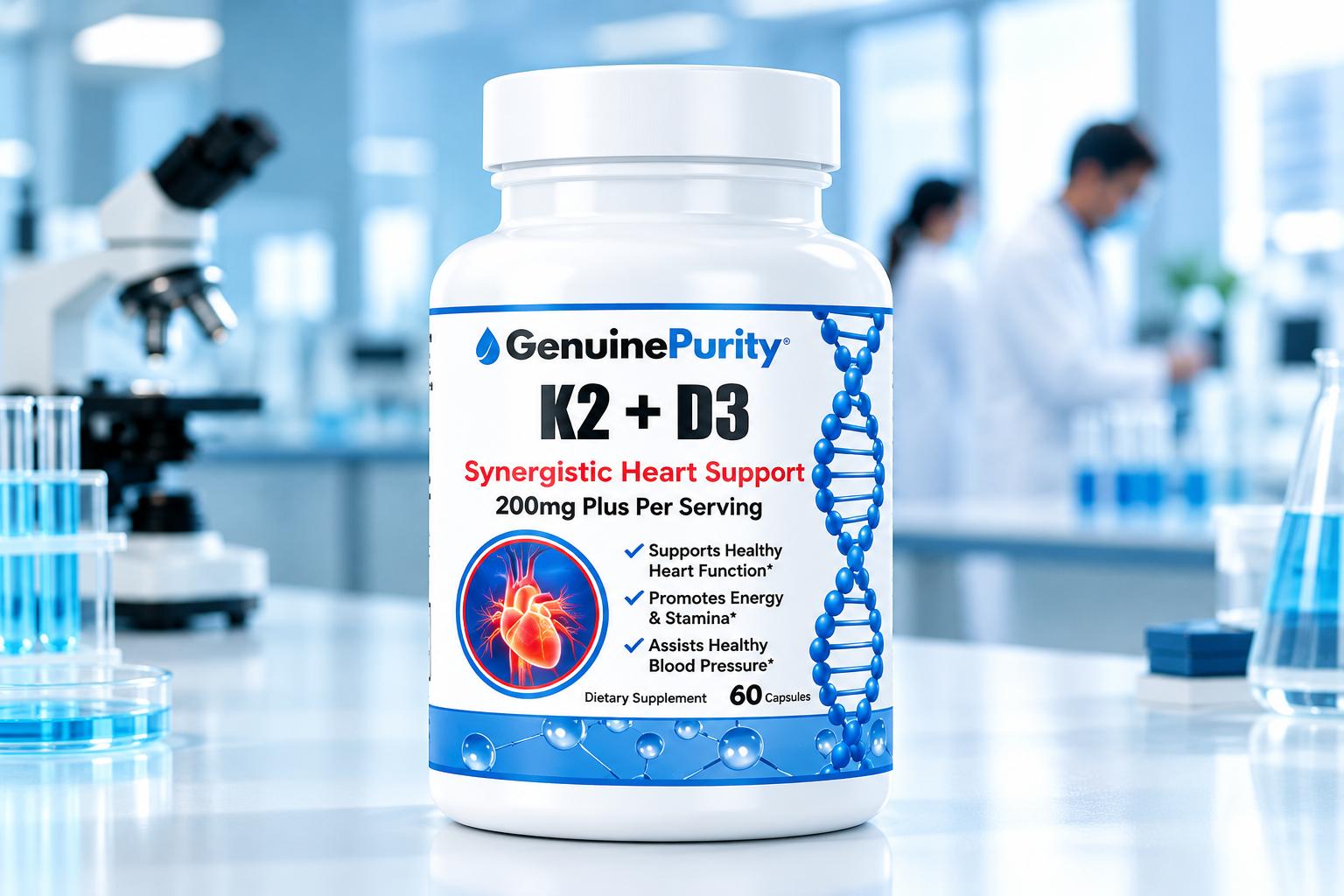
Maintaining optimal cardiovascular function is a cornerstone of long-term health, and nutrition plays a pivotal role in supporting a healthy heart. While a balanced diet rich in fruits, vegetables, whole grains, and lean proteins lays the foundation, targeted supplements can fill nutritional gaps, mitigate oxidative stress, and promote healthy blood flow. This review consolidates the most reputable heart-health supplements, drawing on clinical evidence and expert consensus to help readers make informed choices.
Key Nutrients for Cardiovascular Support
Research consistently highlights several nutrients that directly influence heart health. Understanding their mechanisms can clarify why certain supplements are repeatedly recommended by cardiologists and nutrition specialists.
Omega-3 Fatty Acids
- EPA and DHA reduce triglyceride levels, lower blood pressure, and help maintain arterial flexibility.
- High-quality fish oil or algae-derived products provide the most bioavailable forms.
- Typical dosage ranges from 1,000″?mg to 3,000″?mg daily, depending on individual risk factors.
Coenzyme Q10 (CoQ10)
- Acts as a potent antioxidant within mitochondria, supporting cellular energy production.
- Beneficial for individuals on statin therapy, as statins can deplete natural CoQ10 levels.
- Ubiquinol, the reduced form, offers superior absorption compared with ubiquinone.
Plant Sterols & Stanols
- Compete with dietary cholesterol for absorption, helping to lower LDL-C by up to 10%.
- Often incorporated into fortified spreads, yogurts, or standalone capsules.
Magnesium
- Regulates vascular tone, supports normal heart rhythm, and assists in calcium metabolism.
- Magnesium glycinate or citrate are preferred for better gastrointestinal tolerance.
Top Rated Heart Health Supplements
The following products have earned strong endorsements from clinical practitioners and have been validated through peer-reviewed studies. Each entry includes dosage guidance, key ingredients, and a brief assessment of safety and efficacy.
1. Premium Omega-3 Complex
- Primary ingredients: Concentrated EPA (600″?mg) and DHA (400″?mg) per softgel.
- Why experts recommend it: Triple-tested for purity; free of heavy metals and PCBs.
- Typical use: 2 softgels daily with meals.
- For a deeper dive into cardiovascular nutrition, Discover expert strategies here.
2. Ubiquinol CoQ10 200″?mg
- Primary ingredients: 200″?mg ubiquinol per capsule, combined with a natural oil carrier.
- Why experts recommend it: Enhanced bioavailability supports patients on cholesterol-lowering medication.
- Typical use: One capsule with breakfast.
- Additional insights on supplement synergy can be found by Learn about our tailored solutions.
3. Plant Sterol Blend
- Primary ingredients: 2″?g of plant sterols & stanols per serving.
- Why experts recommend it: Clinically proven to reduce LDL-C without affecting HDL levels.
- Typical use: One sachet mixed into a smoothie or yogurt daily.
- For a broader perspective on cholesterol management, Explore advanced guides and tips.
4. Magnesium Glycinate 400″?mg
- Primary ingredients: 400″?mg elemental magnesium per tablet, chelated for optimal absorption.
- Why experts recommend it: Supports heart rhythm stability and eases muscle tension.
- Typical use: One tablet in the evening.
- Further reading on mineral balance is available to Find out more about this approach.
How to Choose the Right Supplement
Selecting a supplement involves more than reviewing ingredient lists. Consider the following criteria to ensure safety, efficacy, and value.
- Third-party testing: Look for certifications from NSF, USP, or Informed-Sport.
- Formulation quality: Prefer triglyceride or re-esterified forms for omega-3s, and chelated minerals for better uptake.
- Dosage alignment: Match the supplement’s dosage with evidence-based recommendations.
- Potential interactions: Consult a healthcare professional if taking prescription medications, especially anticoagulants or statins.
Integrating Supplements into a Heart-Healthy Lifestyle
Supplements are most effective when paired with lifestyle habits that reinforce cardiovascular resilience.
- Balanced diet: Emphasize leafy greens, berries, nuts, and fatty fish.
- Regular physical activity: Aim for at least 150 minutes of moderate aerobic exercise per week.
- Stress management: Incorporate mindfulness, yoga, or breathing techniques to lower cortisol levels.
- Routine monitoring: Track blood pressure, lipid panels, and heart rate variability to gauge progress.
Safety Considerations and Contraindications
While most heart-health supplements are well-tolerated, certain populations should exercise caution.
- Pregnant or nursing individuals: Consult a physician before initiating any new supplement.
- Bleeding disorders: High-dose omega-3s may increase bleeding risk; medical guidance is essential.
- Kidney disease: Magnesium supplementation should be monitored to avoid hypermagnesemia.
Conclusion
Evidence-based supplementation can complement dietary and lifestyle measures, offering a proactive approach to heart health. By focusing on clinically validated nutrients such as omega-3 fatty acids, CoQ10, plant sterols, and magnesium, and by selecting products that meet rigorous quality standards, individuals can support vascular function, lipid balance, and overall cardiovascular resilience. For those seeking a curated selection of scientifically supported options, the resources at Explore advanced guides and tips provide a reliable starting point for informed decision-making.