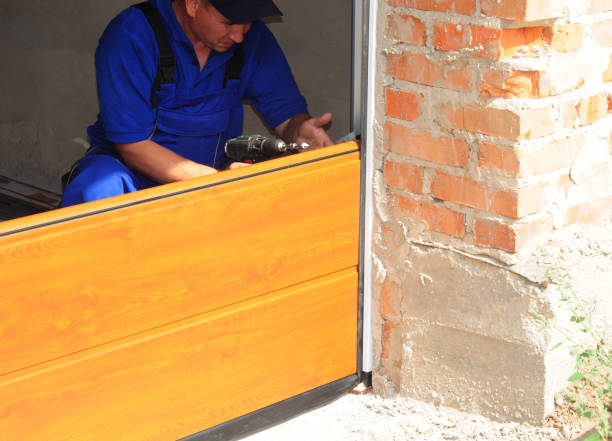
A garage is more than just a place to park cars; it can serve as a workshop, storage area, or even an extension of the home. However, maintaining a comfortable environment in the garage throughout the year can be challenging. Fluctuations in temperature, drafts, and moisture can make a garage uncomfortable and inefficient. Insulation solutions are key to making this space usable and comfortable regardless of the season.
The Importance of Insulation
Proper insulation in a garage can significantly improve energy efficiency and comfort. It acts as a barrier to heat flow, reducing the amount of heat that escapes in the winter and enters in the summer. This not only creates a more comfortable environment but also helps in lowering energy costs.
Why Insulate Your Garage?
- Reduces energy consumption and lowers utility bills.
- Prevents moisture build-up that can lead to mold and mildew.
- Improves the overall comfort of the garage space.
- Enhances the structural integrity and longevity of the garage.
Types of Garage Insulation Solutions
There are several types of insulation materials suitable for garages, each with its own benefits and applications.
Extruded Polystyrene Insulation
Extruded polystyrene (XPS) is a popular choice for garage insulation due to its excellent thermal properties and moisture resistance. It is durable, easy to install, and provides a high R-value per inch of thickness, making it an efficient option for insulating garage doors, floors, and walls.
Fiberglass Insulation
Fiberglass is one of the most common types of insulation. It is made from fine strands of glass and is known for its effectiveness and affordability. Fiberglass is available in batts, rolls, and loose-fill forms, making it versatile for different garage applications.
Garage Door Insulation
Insulating the garage door is crucial as it is often the largest opening in the garage. Effective garage door insulation can prevent heat loss and drafts, significantly enhancing the overall thermal efficiency of the space.
Installation Tips and Considerations
When installing insulation in a garage, several factors should be taken into account to ensure the best results.
Assessing the Garage?s Current Condition
- Inspect for any existing moisture issues or leaks that need addressing before installation.
- Evaluate the garage door and windows for gaps and potential areas of heat loss.
Choosing the Right Insulation Material
- Consider the climate and specific needs of the garage space.
- Balance between cost, R-value, and ease of installation.
Professional Installation
While some insulation projects can be DIY, engaging professional services ensures that the insulation is installed correctly and efficiently, maximizing its benefits and lifespan.
Conclusion
Insulating a garage is a worthwhile investment that enhances comfort, energy efficiency, and the overall usability of the space. With options like extruded polystyrene insulation and others, homeowners can choose solutions that best fit their needs and budget. Proper installation and maintenance of insulation will ensure that the garage remains a versatile and comfortable part of the home all year round.