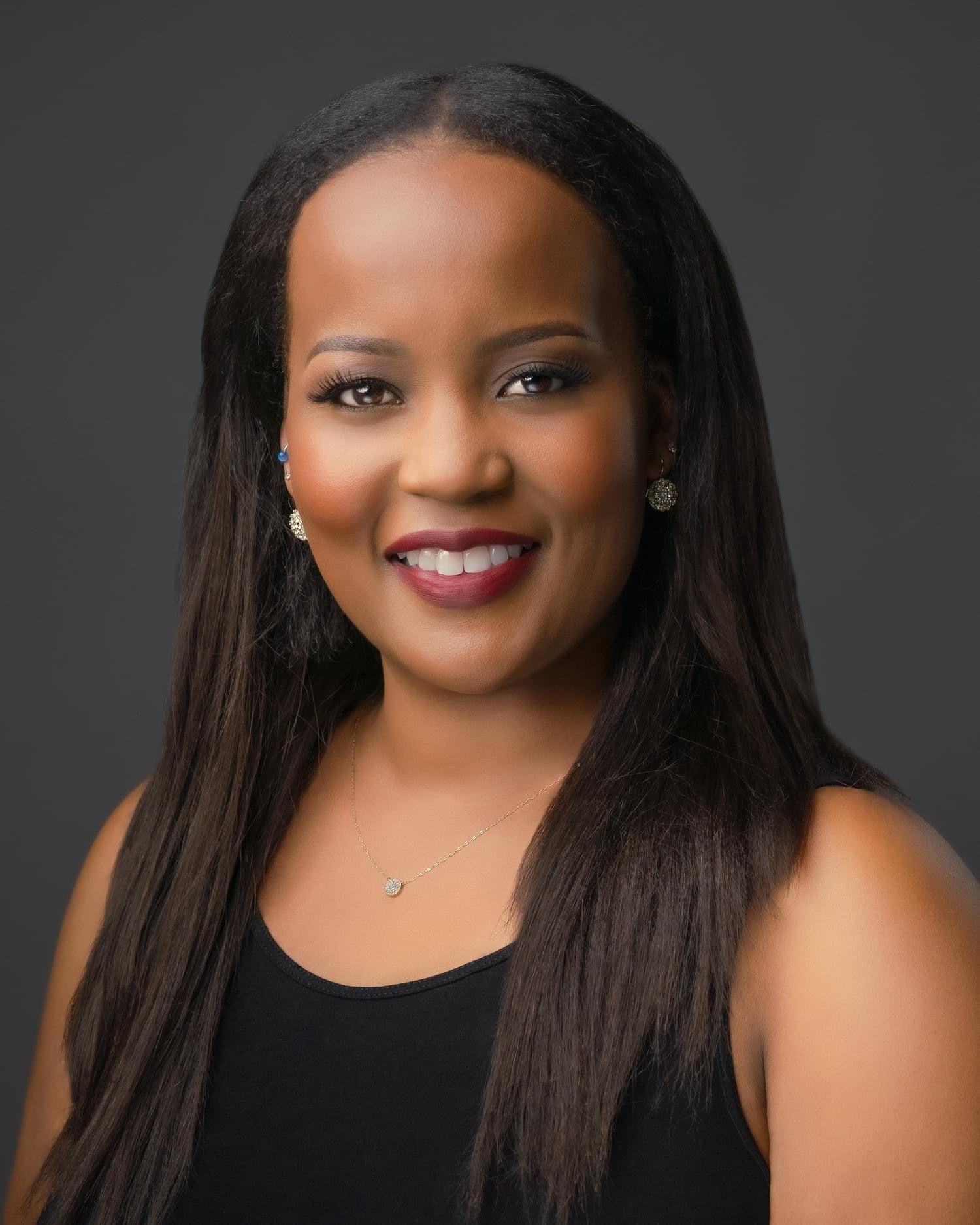
In the realm of professional photography, headshots hold a pivotal role, whether for corporate profiles, social media, or acting portfolios. Mastering the art of headshot photography is essential for photographers aiming to capture the essence and personality of their subjects. This form of photography goes beyond mere aesthetics; it requires skill, insight, and an understanding of the subject’s unique attributes. Capturing a stunning headshot that resonates with the intended audience involves a blend of technical proficiency and creative acumen.
Understanding the Subject
The foundation of a great headshot is understanding the subject. This involves more than just knowing their name and occupation. It requires an exploration of their personality, the image they wish to project, and the purpose of the headshot. Here are some steps to facilitate this understanding:
- Conduct a pre-shoot consultation to discuss the subject’s needs and preferences.
- Encourage subjects to bring reference images that align with their vision.
- Discuss wardrobe choices to ensure they complement the intended look.
Technical Aspects of Headshot Photography
Technical expertise is crucial in headshot photography, as it affects the quality and impact of the final image. Pay attention to the following technical components:
Lighting
Lighting is arguably the most important technical aspect of any photograph. In headshot photography, it is vital to use lighting that highlights the subject’s best features while minimizing any imperfections. Consider these techniques:
- Utilize natural light for softer, more flattering images.
- Employ reflectors to fill in shadows and balance the light.
- Experiment with different lighting setups, such as Rembrandt or butterfly lighting, to enhance the subject’s features.
Camera Settings
The right camera settings can make a significant difference in the outcome of a headshot. Some key considerations include:
- Use a wide aperture (e.g., f/1.8 to f/2.8) for a shallow depth of field to focus on the subject while blurring the background.
- Set a low ISO to minimize noise in the final image.
- Ensure the shutter speed is fast enough to avoid any motion blur.
Posing and Composition
Posing and composition play crucial roles in headshot photography. They contribute to the portrayal of the subject’s personality and the overall aesthetic of the image. Consider these tips:
- Direct your subject to maintain good posture, as it projects confidence and professionalism.
- Guide them to find angles that highlight their best features.
- Encourage natural expressions, perhaps by engaging them in conversation to elicit genuine smiles or thoughtful looks.
- Use the rule of thirds to position the subject’s eyes in the top third of the frame, creating a more engaging composition.
Post-Processing and Final Touches
Once the shoot is complete, post-processing is essential to enhance the image while maintaining the subject’s natural appearance. Here are some post-processing tips:
- Adjust exposure and contrast to ensure the image is well-balanced.
- Retouch skin imperfections subtly, ensuring the subject’s natural texture remains visible.
- Enhance the eyes to make them pop, as they are often the focal point of a headshot.
In conclusion, mastering the art of headshot photography involves a delicate balance of technical skill, creative vision, and interpersonal communication. By understanding the subject, optimizing technical settings, composing thoughtfully, and refining through post-processing, photographers can create headshots that are not only visually appealing but also deeply resonant with their subjects and audiences. For those looking to delve deeper into this genre, exploring more resources and professional guidance can further enhance one’s skills and understanding of headshot photography.