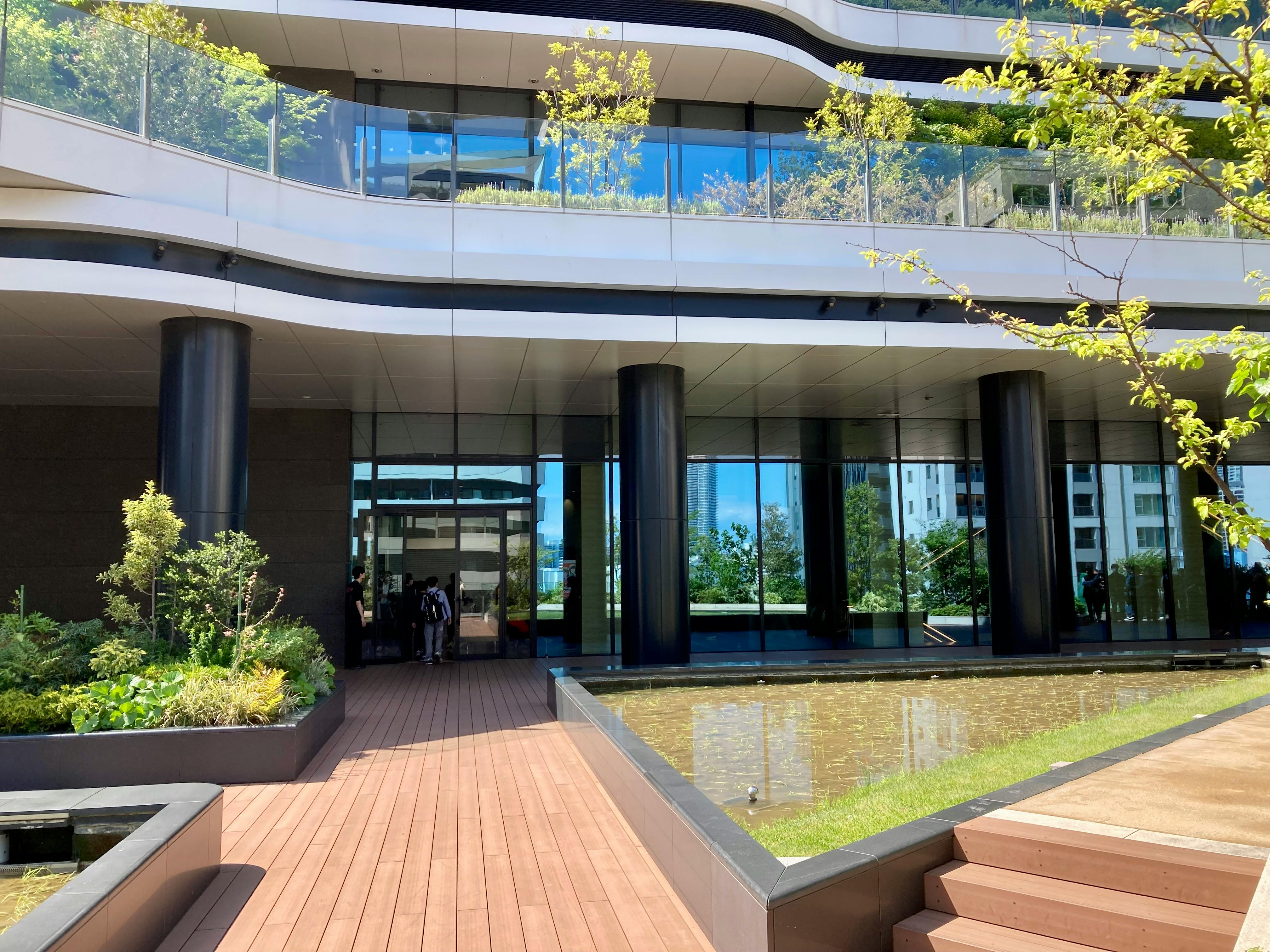
As the world grapples with environmental challenges, the construction industry stands at a pivotal point where sustainable building practices are more crucial than ever. The concept of sustainable building extends beyond simple eco-friendly techniques, encompassing a holistic approach that integrates cutting-edge technology, efficient resource management, and innovative design. By adopting sustainable construction practices, builders worldwide are not only reducing their environmental footprint but also paving the way for a greener, more sustainable future.
Understanding Sustainable Building
Sustainable building involves the design and construction of buildings that prioritize environmental responsibility, energy efficiency, and resource conservation. It is a practice that emphasizes:
- Utilization of renewable energy sources
- Efficient water management systems
- Use of sustainable and recycled materials
- Reduction of waste and pollution
These principles ensure that buildings not only minimize their environmental impact but also contribute positively to their surroundings. Discover expert strategies here.
Key Benefits of Sustainable Building Practices
Embracing sustainable building practices offers numerous benefits, including:
Environmental Impact
By reducing carbon emissions and conserving natural resources, sustainable buildings help mitigate climate change. They also improve air and water quality by minimizing pollutants and waste.
Economic Advantages
Sustainable buildings often have lower operating costs due to energy-efficient systems and reduced water usage. They also tend to have higher market value and longer life spans, providing long-term financial benefits. Learn about our tailored solutions.
Social Benefits
These practices enhance occupant comfort and health by ensuring better air quality and natural lighting. Furthermore, they create jobs and stimulate the economy through the development of green construction industries.
Strategies for Implementing Sustainable Building Practices
Incorporating Green Technology
The integration of advanced technologies is vital for sustainable construction. This includes:
- Smart building systems that optimize energy use
- Sustainable HVAC systems
- Advanced insulation materials
These technologies not only enhance building performance but also significantly reduce energy consumption. Explore advanced guides and tips.
Designing for Sustainability
Architectural design plays a crucial role in sustainable building. Key design strategies include:
- Maximizing natural light
- Incorporating green roofs and walls
- Planning for efficient space use
These elements help create an eco-friendly environment that supports both the occupants and the surrounding ecosystem. Find out more about this approach.
The Future of Sustainable Building
As the demand for sustainable solutions grows, the construction industry continues to evolve. Future trends may include the wider adoption of circular economy principles, which focus on reducing waste by reusing and recycling materials. Additionally, advancements in building materials and techniques promise to further enhance the sustainability of future projects.
The journey towards a more sustainable future in construction is ongoing, with every project contributing to a healthier planet. By continuing to innovate and adopt sustainable practices, builders are leading the charge in creating a more environmentally and socially responsible world.