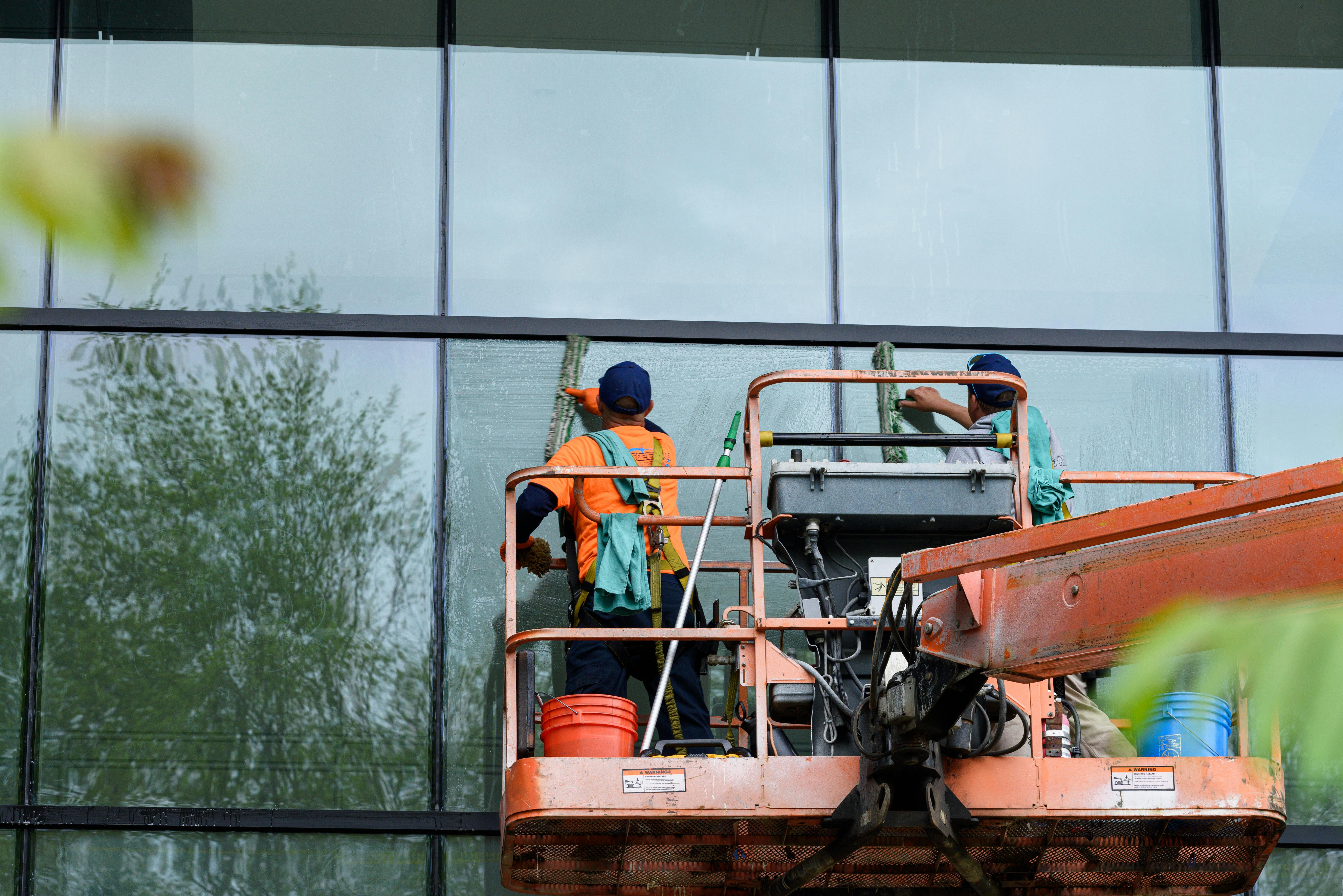
Cleaning the windows and exteriors of skyscrapers is a task that demands not only expertise but also a keen understanding of safety and environmental considerations. Skyscrapers, by their nature, present unique challenges in terms of accessibility and the extent of surfaces that need to be maintained. The importance of professional high rise cleaning cannot be overstated, as it ensures that buildings remain visually appealing while also extending their lifespan by preventing the build-up of harmful substances. The methods employed in high rise cleaning today are a harmonious blend of traditional techniques and cutting-edge technologies, ensuring efficiency and safety in every project.
The Challenges of High Rise Cleaning
High rise cleaning involves numerous challenges that require specialized knowledge and equipment. These challenges include:
- Access difficulties: Reaching high and hard-to-access areas requires advanced equipment and techniques.
- Safety concerns: Ensuring the safety of workers and the surrounding environment is paramount.
- Weather conditions: Wind, rain, and temperature fluctuations can impact cleaning schedules and methods.
- Environmental impact: Using eco-friendly solutions to minimize harm to the environment.
Addressing these challenges demands a comprehensive understanding of the industry’s best practices. Discover expert strategies here to tackle these obstacles effectively.
Advanced Techniques for Skyscraper Cleaning
Modern high rise cleaning employs a range of advanced techniques to ensure thorough and safe cleaning. Some of these techniques include:
- Rope Access Systems: This method involves using ropes and harnesses to allow workers to reach difficult areas with minimal equipment.
- Water-Fed Poles: These systems use telescopic poles with purified water to clean windows, reducing the need for ladders or lifts.
- Robotic Cleaners: Cutting-edge technology allows for the use of robots that can clean building exteriors efficiently and safely.
- Abseiling: A technique that combines mountaineering and industrial skills to access hard-to-reach areas.
Each of these techniques is tailored to the specific needs of the building and its environment. Learn about our tailored solutions for employing these methods effectively.
Safety Protocols in High Rise Cleaning
Safety is of utmost importance in high rise cleaning. The protocols include:
- Comprehensive training for all personnel on equipment use and emergency procedures.
- Regular inspections and maintenance of all equipment to ensure reliability.
- Use of personal protective equipment (PPE) to safeguard workers against potential hazards.
- Implementation of weather monitoring to schedule cleaning operations during safe conditions.
These safety measures are essential for preventing accidents and ensuring the well-being of workers and the public. Find out more about this approach to safety in high rise cleaning.
Environmental Considerations
Incorporating environmentally friendly practices in high rise cleaning has become increasingly important. This includes:
- Using biodegradable cleaning agents that do not harm the environment.
- Implementing water conservation techniques to minimize waste.
- Ensuring waste materials are disposed of responsibly.
- Conducting regular environmental impact assessments.
Employing these practices not only helps protect the environment but also aligns with global sustainability goals. Explore advanced guides and tips for environmentally conscious cleaning solutions.
Conclusion
The task of cleaning skyscrapers is intricate and demanding, requiring a blend of traditional methods and innovative technologies. From addressing unique challenges to implementing advanced cleaning techniques and safety protocols, high rise cleaning requires a comprehensive approach. By prioritizing safety and environmental considerations, the maintenance of skyscrapers can be both effective and sustainable. To delve deeper into the best practices of high rise cleaning, explore advanced guides and tips that can help navigate the complexities of this vital industry.