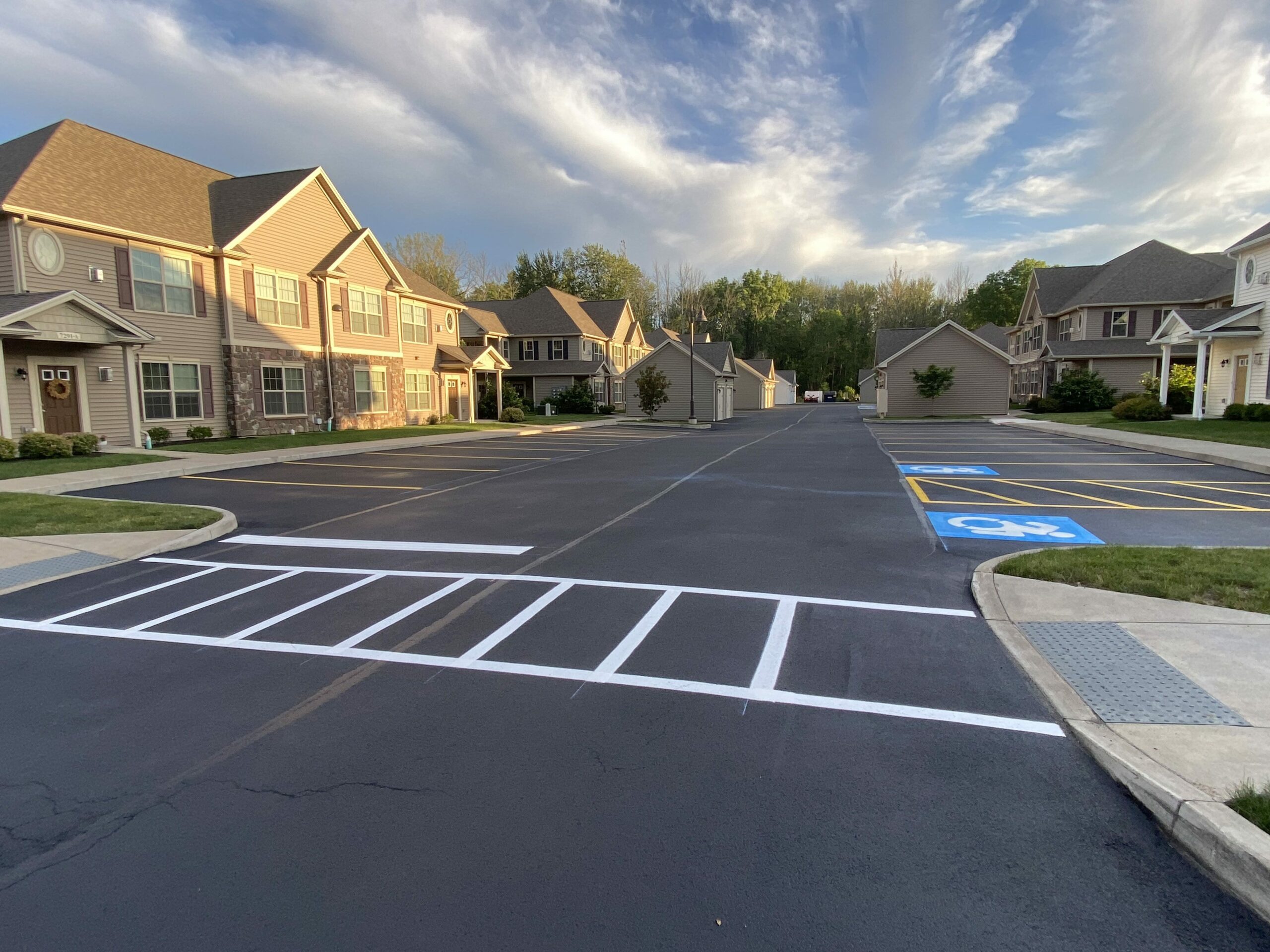
Parking lot striping is an essential aspect of maintaining a safe and organized environment for vehicles and pedestrians alike. Properly marked parking lots enhance traffic flow, ensure compliance with regulations, and maximize space utilization. With increasing urbanization and the demand for efficient parking solutions, the importance of top-notch striping cannot be overstated. This article explores the benefits of professional striping, the key elements to consider, and best practices to ensure safety and compliance in parking lot design.
The Importance of Professional Striping
Professional striping plays a critical role in the functionality and safety of parking lots. It not only enhances the aesthetic appeal but also:
- Improves traffic flow and reduces congestion.
- Ensures compliance with local, state, and federal regulations.
- Maximizes the number of parking spaces available.
- Increases the overall safety for both drivers and pedestrians.
Read more about this topic to understand the full scope of benefits provided by professional parking lot striping.
Key Elements of Effective Parking Lot Striping
To ensure that a parking lot is both safe and compliant, several key elements must be considered during the striping process:
Visibility and Durability
High-quality paint and reflective materials are essential to ensure that the markings are visible both day and night, and can withstand various weather conditions. Proper maintenance and regular repainting are necessary to maintain these standards. Learn more in this detailed guide about the materials and techniques used in professional striping.
Compliance with Regulations
Adhering to the Americans with Disabilities Act (ADA) is crucial in parking lot design. This includes ensuring the correct number of accessible spaces, appropriate signage, and dimensions that accommodate wheelchairs. Familiarity with local zoning laws and regulations is also necessary to avoid fines and penalties. Explore further insights here to ensure compliance with regulatory standards.
Efficient Traffic Flow
A well-designed parking lot facilitates smooth traffic flow and minimizes the risk of accidents. This involves strategic placement of directional arrows, stop lines, and crosswalks. Properly implemented traffic patterns can reduce bottlenecks and improve the overall user experience.
Best Practices for Parking Lot Striping
Implementing best practices in parking lot striping ensures long-term safety and efficiency. Consider the following:
- Conduct regular inspections to identify areas needing repainting or repair.
- Use high-quality, weather-resistant paint and materials.
- Plan for future needs, such as electric vehicle charging stations.
- Engage with professional striping services to ensure precision and compliance.
Find additional information here on how to maintain and improve the effectiveness of parking lot striping.
Conclusion
In conclusion, effective parking lot striping is a critical component of safety and compliance. By prioritizing visibility, compliance with regulations, and efficient traffic flow, parking lot owners can create a safer and more organized environment. Regular maintenance and adherence to best practices ensure the longevity and effectiveness of parking lot markings. For more insights and professional guidance, consider exploring further resources and engaging with experts in the field.