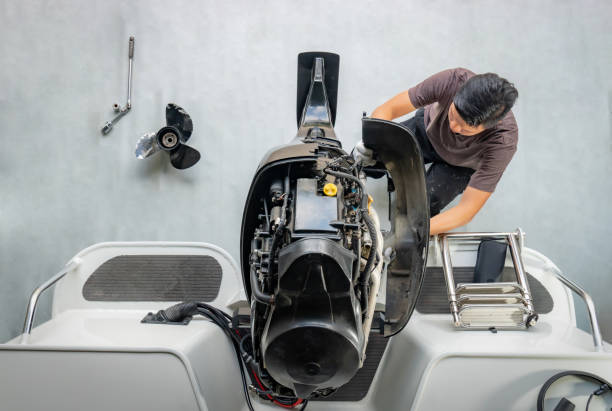
In the ever-evolving marine industry, ensuring that vessels operate at peak efficiency is paramount. As technology advances, older marine engines may not meet current performance standards or environmental regulations. This is where marine engine repower comes into play. By replacing outdated engines with modern, efficient alternatives, vessel owners can significantly enhance performance, reduce emissions, and increase fuel efficiency. This article delves into the key aspects of marine engine repower and provides insights on maximizing efficiency through strategic upgrades.
Understanding Marine Engine Repower
Marine engine repower involves replacing an existing engine with a new one, often more advanced and efficient. This can be a cost-effective solution for extending the lifespan of a vessel while adhering to modern standards.
Benefits of Engine Repowering
- Improved Fuel Efficiency: Modern engines are designed to consume less fuel, translating into significant cost savings over time.
- Reduced Emissions: New engines comply with stricter environmental regulations, reducing the environmental impact of marine operations.
- Enhanced Performance: Advanced engines offer better power output, smoother operation, and reliability.
- Increased Vessel Value: An upgraded engine can increase the resale value of a vessel.
For more detailed insights, discover expert strategies here on why repowering is a smart investment.
Choosing the Right Engine for Repower
Selecting the appropriate engine is crucial for a successful repower project. Considerations include:
Evaluating Engine Options
- Compatibility: Ensure the new engine fits within the existing space and connects seamlessly with current systems.
- Power Needs: Assess the vessel’s power requirements to select an engine that meets operational needs without overextending resources.
- Fuel Type: Decide between diesel, gasoline, or hybrid engines based on efficiency, cost, and availability.
- Service and Support: Choose an engine with reliable support and easy access to parts and services.
To make an informed decision, learn about our tailored solutions designed to fit specific marine needs.
Steps to Implement a Marine Engine Repower
Successfully implementing a repower involves several key steps:
Planning and Assessment
- Needs Analysis: Conduct a thorough assessment of the vessel’s current and future operational requirements.
- Budgeting: Develop a comprehensive budget that includes engine costs, installation, and potential modifications.
- Regulatory Compliance: Ensure the new engine complies with local and international marine regulations.
Installation and Testing
- Professional Installation: Engage experienced technicians to ensure a seamless installation process.
- Testing and Calibration: Conduct thorough testing to validate engine performance and make necessary adjustments.
For an in-depth guide, explore advanced guides and tips on implementing a successful repower project.
Conclusion
Marine engine repower presents a significant opportunity for vessel owners to enhance efficiency, reduce operational costs, and comply with evolving regulations. By selecting the right engine and following a strategic implementation process, the benefits can be substantial. Find out more about this approach and how it can transform marine operations.