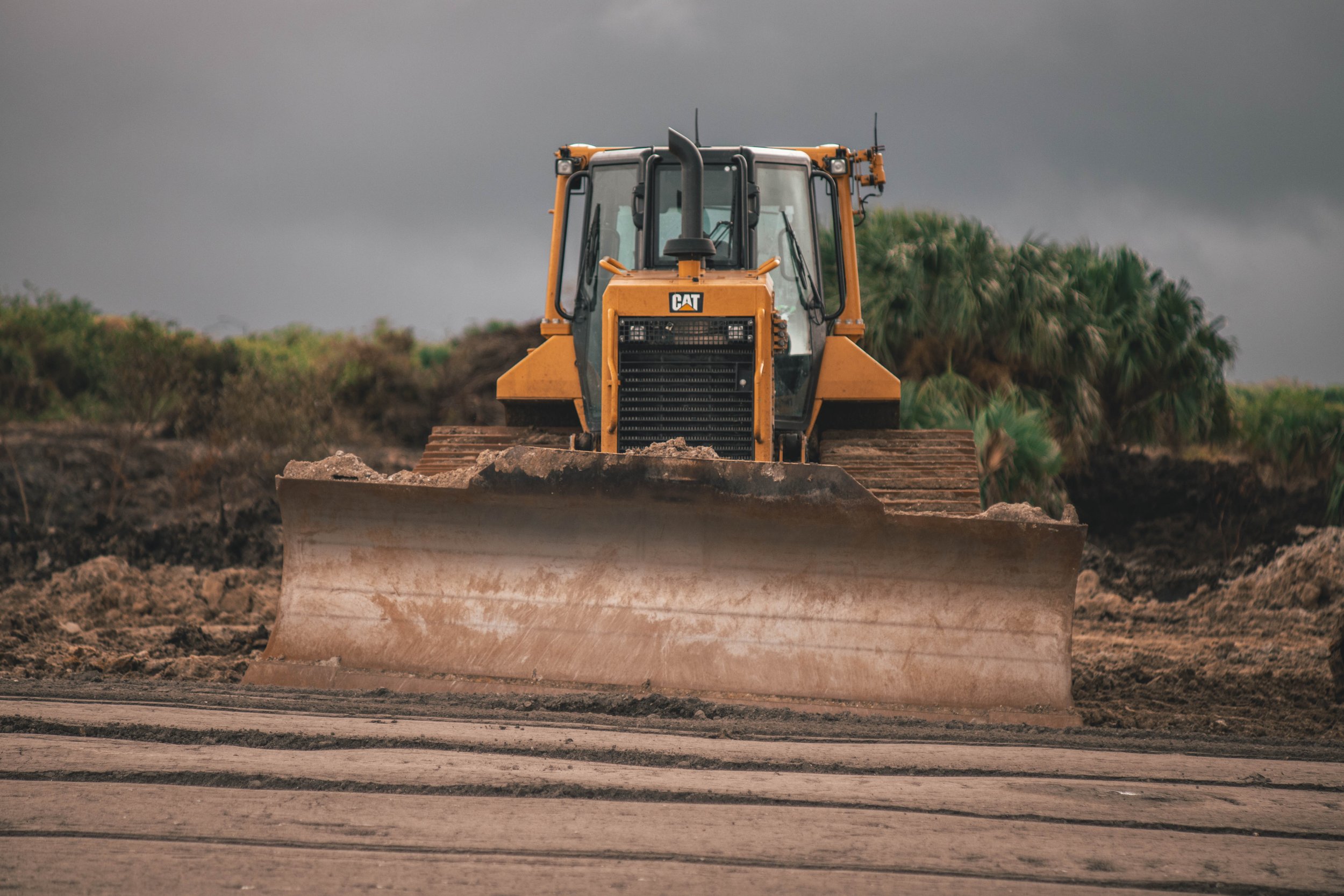
In the realm of construction projects, the foundation is not just a structural element, but an entire concept that begins with the land itself. Commercial land grading is a crucial preliminary step that ensures the stability and longevity of a building project. The importance of land grading cannot be overstated, as it impacts everything from drainage systems to structural integrity. This article delves into the significance of commercial land grading and how it lays the groundwork for successful construction projects. For more detailed insights and strategies on this topic, discover expert strategies here.
Understanding Commercial Land Grading
Commercial land grading involves the reshaping of the earth’s surface to create a level base for construction. It is a meticulous process that requires precision and expertise to ensure that the land is adequately prepared for development. Proper grading can prevent issues such as water pooling, soil erosion, and uneven settling, which could compromise the structural integrity of a building.
Key Benefits of Proper Land Grading
- Enhanced Drainage: By adjusting the slope of the land, grading ensures that water flows away from structures, preventing water damage and erosion.
- Foundation Stability: A properly graded site provides a stable foundation, reducing the risk of structural issues in the future.
- Optimized Construction: Level surfaces make construction processes more efficient and cost-effective.
- Environmental Compliance: Grading helps in adhering to environmental regulations by managing stormwater runoff.
For those seeking to understand how precise grading impacts construction outcomes, find out more about this approach.
Techniques and Equipment Utilized in Land Grading
Effective land grading requires a combination of skilled labor, advanced techniques, and specialized equipment. The choice of tools and methods depends on the project scale and the specific characteristics of the site.
Common Techniques
- Cut and Fill: This involves cutting away high areas and using the material to fill in lower areas, ensuring a level surface.
- Laser Grading: Utilizes laser technology to achieve precision leveling and slope specifications.
- GPS Grading: Incorporates GPS technology for enhanced accuracy in large-scale projects.
For more on how these techniques are applied to diverse projects, explore advanced guides and tips.
The Role of Expertise in Land Grading
Professional expertise is vital in commercial land grading to ensure that all factors are considered and addressed. Experienced professionals understand the nuances of soil behavior, drainage requirements, and environmental impacts, which are critical to successful project outcomes.
Choosing the Right Grading Service
- Experience and Reputation: Opt for services with a proven track record and positive client testimonials.
- Technology and Equipment: Ensure that the service uses modern technology and well-maintained equipment.
- Customized Solutions: Seek out services that offer tailored grading solutions to meet specific project needs.
To learn about tailored solutions that meet diverse project requirements, learn about our tailored solutions.
Conclusion
Commercial land grading is a foundational step that can determine the success of a construction project. By prioritizing proper grading, projects can benefit from enhanced stability, better drainage, and compliance with environmental standards. It is essential to engage experienced professionals who can apply the right techniques and technologies. As the construction industry continues to evolve, staying informed about the latest practices in land grading is crucial. To dive deeper into this critical field, explore advanced guides and tips.