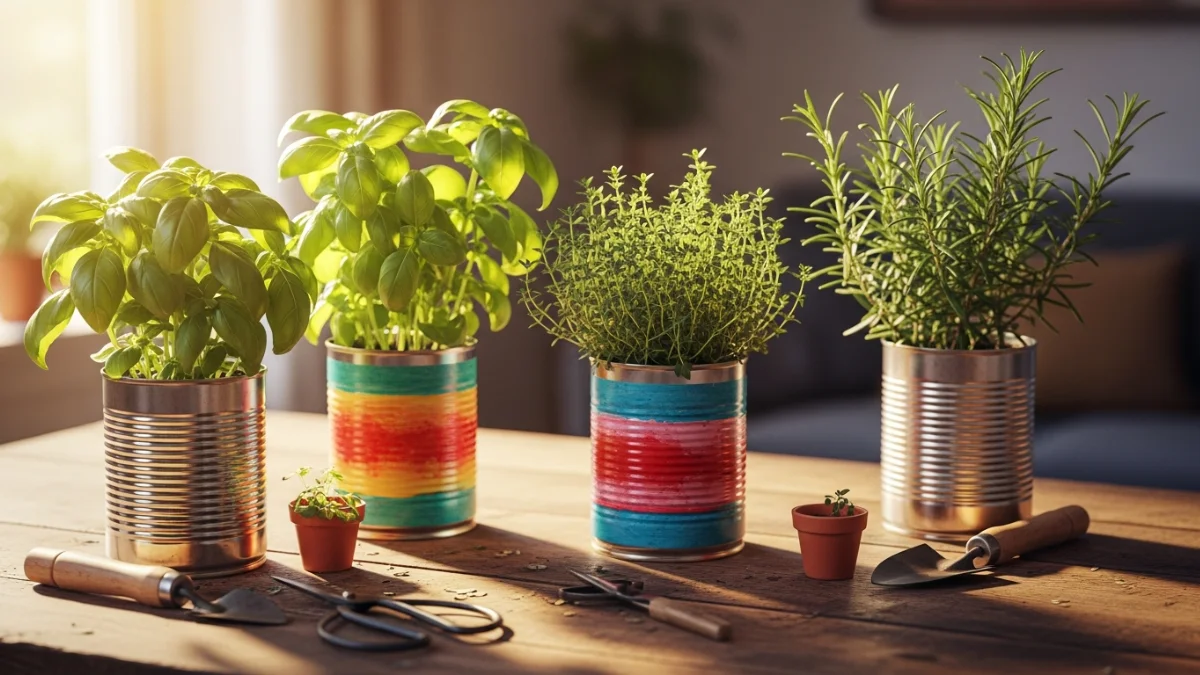
Embarking on the journey of creating a thriving garden can be both rewarding and therapeutic. A well-tended garden not only enhances the aesthetic appeal of your home but also contributes to environmental sustainability. Whether you’re a novice gardener or a seasoned green thumb, understanding the fundamentals of planting can significantly impact the success of your garden. This article serves as a guide to help you cultivate a lush, vibrant garden by providing essential planting advice. For those seeking comprehensive insights, discover expert strategies here.
Understanding Your Garden’s Environment
The first step in creating a successful garden is understanding the environment in which your plants will grow. Factors such as soil type, climate, and sunlight availability play crucial roles in determining plant health and growth.
- Soil Type: Evaluate the soil in your garden. Is it sandy, clay-based, or loamy? Each type has different drainage and nutrient properties, affecting plant choices. Learn about our tailored solutions for soil improvement.
- Climate: Consider the local climate and seasonal changes. Some plants thrive in warm, sunny conditions, while others prefer cooler, shaded areas.
- Sunlight: Observe the sun patterns in your garden. Full sun, partial shade, and full shade areas will dictate which plants are suitable for each location.
Choosing the Right Plants
Selecting the appropriate plants for your garden is essential for achieving a thriving display. Plant choices should be guided by the environmental factors identified earlier.
Native Plants
Opting for native plants can be advantageous as they are well-suited to the local environment, requiring less maintenance and resources. Explore advanced guides and tips on selecting native species for your garden.
Companion Planting
Companion planting involves strategically placing plants together to benefit each other. This method can enhance growth, deter pests, and improve yields.
- Combine plants with complementary needs and growth habits.
- Use aromatic herbs to repel insects naturally.
- Select plants that enrich the soil, such as legumes, which fix nitrogen.
Planting Techniques
Proper planting techniques are vital for establishing healthy plants. Attention to detail during planting can prevent issues later in the growing season.
Planting Depth and Spacing
Ensure that plants are placed at the correct depth and spaced adequately. Crowded plants compete for resources, leading to stunted growth and increased susceptibility to disease. Find out more about this approach to optimize your garden layout.
Watering and Mulching
Consistent watering is crucial, especially during the initial stages of growth. Mulching can help retain soil moisture, suppress weeds, and regulate soil temperature.
- Water deeply and infrequently to encourage root development.
- Apply mulch around plants, leaving space around the stem to prevent rot.
- Adjust watering schedules based on weather conditions.
Ongoing Garden Care
Once your garden is established, ongoing care is necessary to maintain its health and beauty. Regular maintenance tasks can prevent pest infestations and ensure continuous growth.
- Pruning: Regularly prune plants to remove dead or diseased branches and encourage new growth.
- Fertilization: Use organic fertilizers to provide essential nutrients throughout the growing season.
- Pest Management: Monitor for signs of pest damage and use eco-friendly solutions to manage infestations.
Creating a thriving garden requires patience, observation, and a willingness to learn. By understanding your garden’s unique environment, choosing appropriate plants, and employing effective planting techniques, you can cultivate a garden that flourishes year after year. For more detailed information and resources, explore advanced guides and tips.