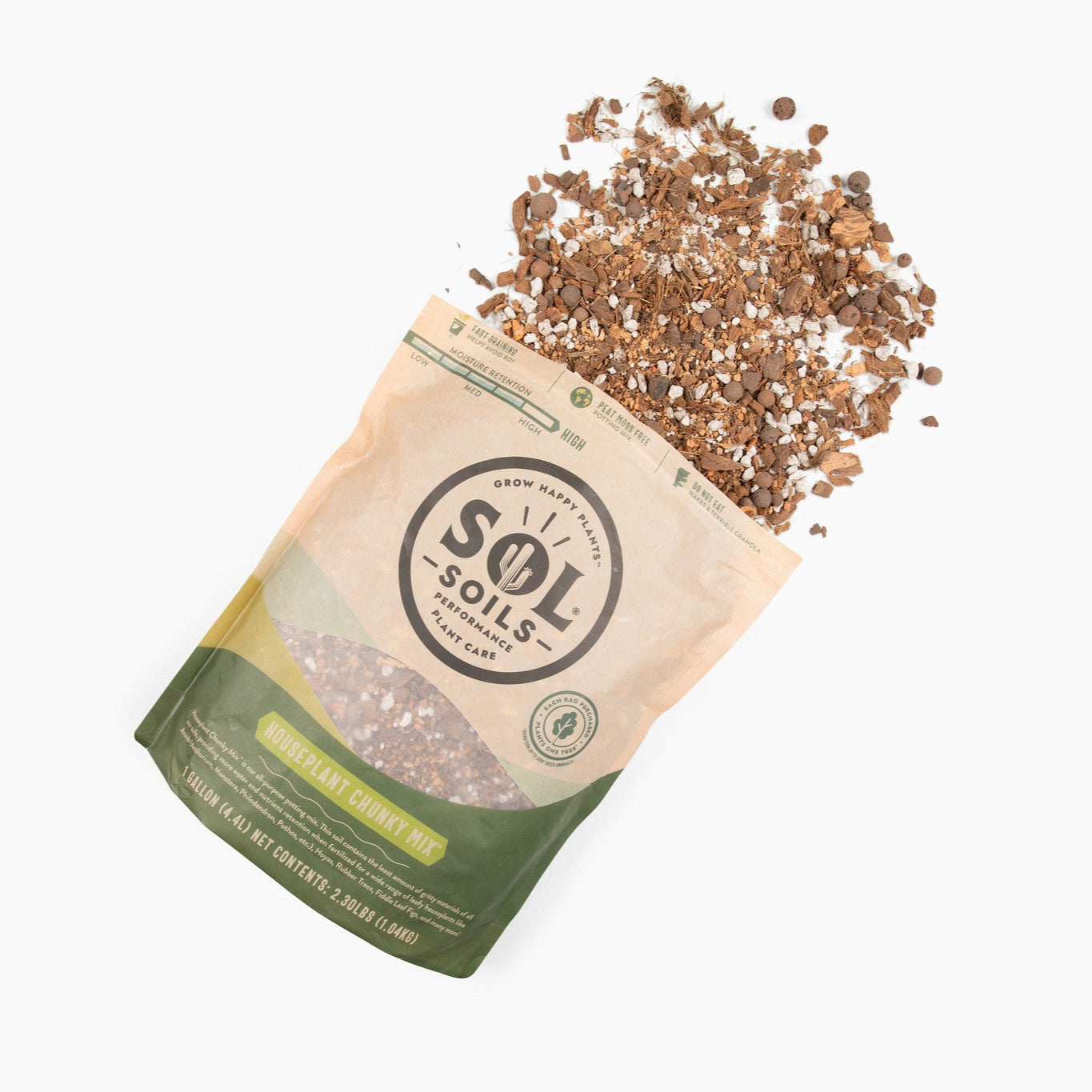
Indoor plants are more than just decorative elements; they are living companions that enhance our living spaces with beauty and life. To keep these green friends thriving, understanding the role of potting mix in their growth is crucial. Potting mix serves as the foundation for a plant’s health, providing essential nutrients, moisture retention, and proper aeration. Selecting the right potting mix can significantly impact the vitality and longevity of indoor plants. This article explores how to enhance your indoor plant’s health using a well-suited potting mix.
The Importance of Choosing the Right Potting Mix
Choosing the right potting mix is pivotal for the overall health and growth of indoor plants. The perfect blend offers much more than just a medium for anchoring the roots. It provides nutrition, retains moisture, and ensures adequate drainage. Here are some considerations when selecting a potting mix:
- **Nutrient Content:** A good potting mix should have a balanced nutrient profile to support plant growth.
- **Moisture Control:** It must retain moisture while allowing excess water to drain, preventing root rot.
- **Aeration:** Proper aeration is necessary to allow roots to breathe, ensuring healthy growth.
- **pH Level:** The acidity or alkalinity of the potting mix can affect nutrient availability.
Find out more about this approach to selecting a potting mix that fits your plant’s needs.
Components of a High-Quality Potting Mix
A high-quality potting mix typically comprises several components that contribute to its effectiveness. Understanding these components can help in choosing or customizing a mix that best suits individual plant requirements:
- **Peat Moss:** Known for its ability to retain moisture while offering good aeration.
- **Perlite or Vermiculite:** Added to improve aeration and drainage.
- **Coconut Coir:** An eco-friendly alternative to peat, offering similar water retention capabilities.
- **Compost or Organic Matter:** Provides essential nutrients and promotes microbial activity.
Explore advanced guides and tips on crafting a potting mix that caters to specific plant needs.
Tailoring Potting Mix to Specific Plant Types
Tropical Houseplants
Tropical plants, such as ferns and philodendrons, thrive in environments with higher humidity and consistent moisture. A potting mix for these plants should focus on moisture retention and nutrient availability.
- Include more peat moss or coconut coir for better moisture control.
- Add compost for a nutrient-rich environment.
Learn about our tailored solutions for creating an optimal environment for tropical houseplants.
Succulents and Cacti
Succulents and cacti prefer dry conditions with excellent drainage. A well-draining potting mix is vital to prevent overwatering, which can lead to root rot.
- Include more perlite or sand to improve drainage.
- Use minimal organic matter to avoid excessive moisture retention.
Discover expert strategies here for customizing potting mixes suited for succulents and cacti.
Common Mistakes and How to Avoid Them
Even with the right potting mix, certain common mistakes can hinder a plant’s growth. Here?s how to avoid them:
- **Overwatering:** Use a pot with drainage holes and check soil moisture before watering.
- **Underestimating Light Requirements:** Ensure the plant receives the appropriate amount of light according to its species.
- **Neglecting to Repot:** Repot plants periodically to refresh the potting mix and provide room for growth.
For those looking to enhance their plant care routine, explore advanced guides and tips on avoiding these common pitfalls.
By understanding and implementing the right potting mix strategies, plant enthusiasts can significantly boost the health and longevity of their indoor plants. A thoughtful approach to selecting and maintaining potting mix ensures a thriving indoor garden that continues to bring joy and beauty to any space.