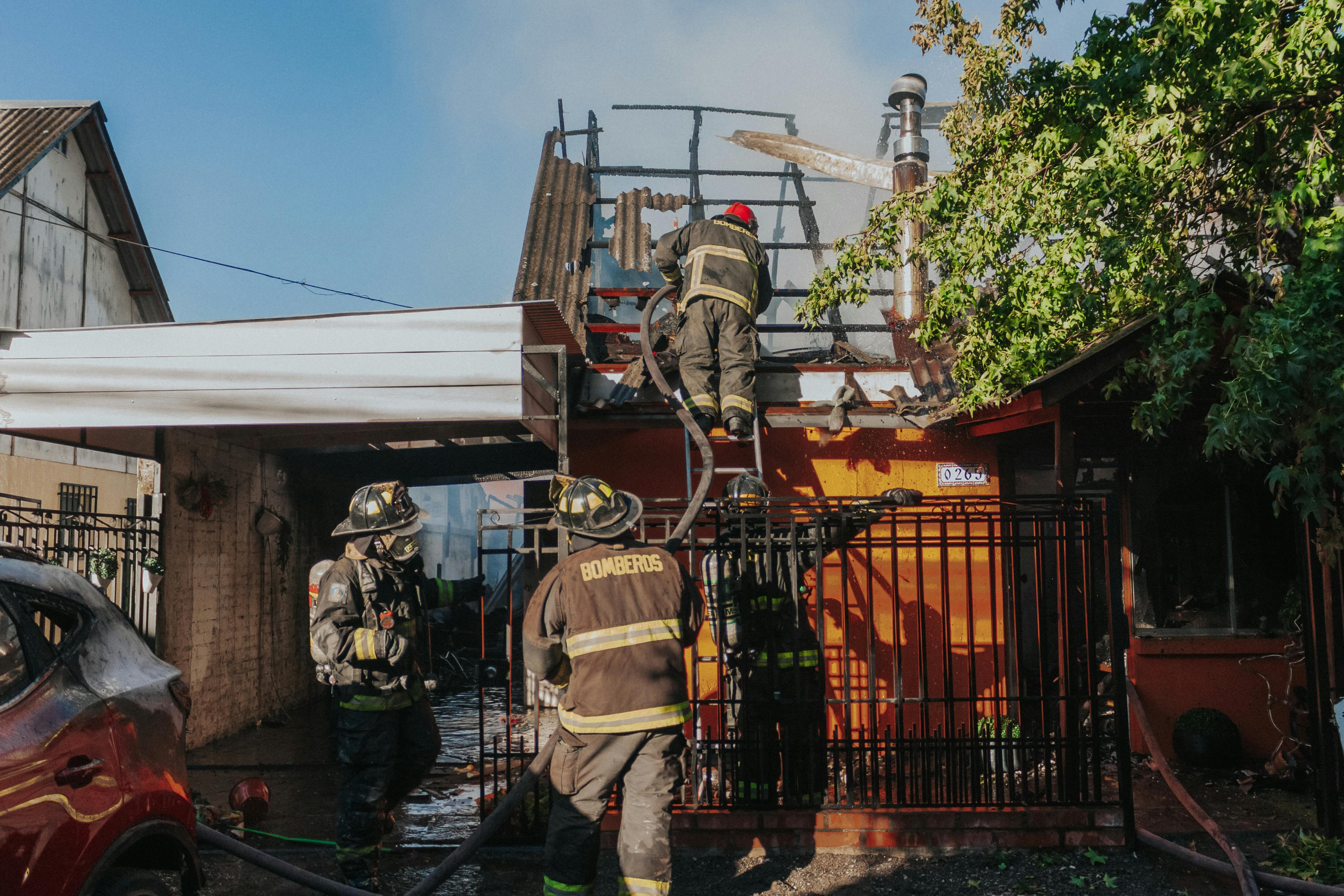
Smoke damage can be one of the most challenging issues to address in the aftermath of a fire. The pervasive nature of smoke means it can infiltrate every nook and cranny, leaving lasting damage if not properly managed. Integral to the repair process, tarping services play a crucial role in preventing further damage and setting the stage for successful restoration. By effectively sealing affected areas, tarping helps to protect a property from the elements and allows for more efficient repair processes. Understanding the essential aspects of tarping services for smoke damage can make a significant difference in the outcome of restoration efforts.
Understanding the Role of Tarping in Smoke Damage Repair
Tarping serves as a protective measure to safeguard a property from additional harm during the repair process. When a building is damaged by smoke, it often means that the structure is compromised, allowing external factors such as weather to exacerbate the damage. Tarping effectively acts as a barrier, ensuring that no further moisture or debris can enter the building. Find out more about this approach.
Key Benefits of Tarping Services
- Protection from Weather: Tarping shields the building from rain, wind, and other elements that could worsen the damage.
- Prevention of Additional Damage: By sealing off exposed areas, tarping helps to prevent further degradation of the property.
- Facilitation of Cleanup: With the building secured, restoration crews can work more effectively and efficiently.
- Cost-Effective Solution: Implementing tarping early can save on more extensive repairs down the line.
Ensuring that tarping is done professionally is essential to guarantee its effectiveness. Improperly installed tarps can fail to protect the building adequately, leading to additional issues that complicate the restoration process. Discover expert strategies here.
Choosing the Right Tarping Materials
The type of material used for tarping is crucial to its success. Various factors, such as the extent of the damage and the specific needs of the building, determine the appropriate choice. Common materials include:
- Polyethylene Tarps: These are durable and waterproof, making them ideal for protecting against moisture.
- Canvas Tarps: While not as waterproof as polyethylene, canvas tarps are breathable, which can be advantageous in certain situations.
- Vinyl Tarps: Known for their strength and resistance to tearing, vinyl tarps are suitable for long-term use.
Selecting the right material involves assessing the unique circumstances of the smoke-damaged property. Professional guidance can be invaluable in making this decision. Explore advanced guides and tips.
Implementing Effective Tarping Strategies
The success of tarping services is contingent on the execution of well-planned strategies. Here are some considerations for effective implementation:
- Assessment of Damage: A thorough inspection is necessary to determine the extent of the damage and identify areas that require protection.
- Correct Installation: Proper securing of tarps is vital to ensure they remain in place and provide the intended protection.
- Regular Monitoring: Ongoing assessment of tarps is essential to ensure they remain effective throughout the restoration process.
- Coordination with Restoration Efforts: Tarping should be integrated into the broader restoration plan to ensure a cohesive approach.
These strategies can greatly enhance the effectiveness of tarping services, ultimately leading to a more successful smoke damage repair process. Learn about our tailored solutions.
Conclusion
Tarping services are a critical component of smoke damage repair, offering protection and facilitating a smoother restoration process. By choosing appropriate materials, implementing effective strategies, and understanding the role of tarping, property owners can ensure a more comprehensive and successful repair process. For those seeking further guidance, find out more about this approach to smoke damage restoration. Tarping, when executed correctly, can make a significant difference in preserving the integrity of a property during this challenging time.