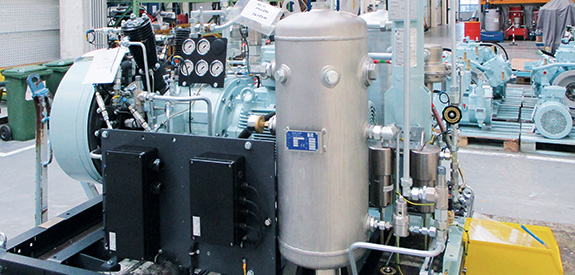
In the realm of industrial gas production, efficiency and precision are paramount. One of the noteworthy advancements in this sector is the use of liquid nitrogen assist (LNA) in merchant liquid industrial plants. This technique has transformed how gases are processed and stored, offering numerous benefits that enhance operational capabilities and sustainability. The implementation of LNA is a crucial development, especially for industries relying on the seamless production and distribution of gases like oxygen, nitrogen, and argon. Understanding the benefits of liquid nitrogen assist can provide insights into improved plant operations, cost efficiency, and environmental benefits.
Enhanced Cooling and Efficiency
Liquid nitrogen assist plays a critical role in enhancing the cooling processes within industrial plants. The primary advantages include:
- Rapid cooling capabilities that significantly reduce processing times.
- Improved consistency in product quality due to stable temperature control.
- Reduction in energy consumption as LNA systems require less power compared to traditional cooling methods.
These factors contribute to the overall efficiency of industrial operations, helping facilities to achieve more with less energy expenditure. For instance, the integration of an industrial reciprocating compressor can further optimize these processes by ensuring that gases are compressed efficiently.
Cost-Effective Production
Implementing liquid nitrogen assist is not only about improving technical performance; it also brings about significant economic benefits. Key points include:
- Lower operational costs due to reduced energy requirements and maintenance needs.
- Increased production output without proportionate increases in resource input.
- Reduced downtime, as efficient cooling and processing lead to fewer interruptions.
By optimizing resources through techniques such as industrial api 618, plants can maintain competitive pricing structures and improve their market position.
Environmental Advantages
Reduced Carbon Footprint
Another significant benefit of using liquid nitrogen assist is its contribution to environmental sustainability:
- Minimized greenhouse gas emissions due to efficient energy use.
- Decreased reliance on fossil fuels for cooling purposes.
- Enhanced recycling capabilities as LNA systems support the reuse of nitrogen and other gases.
The move towards more sustainable practices in industrial settings is critical, and adopting technologies like industrial Liquid nitrogen assist aligns with global efforts to reduce environmental impact.
Safety and Reliability
Safety is paramount in any industrial setting, and liquid nitrogen assist contributes positively in this area:
- Improved process control and monitoring, reducing the risk of accidents.
- Enhanced equipment lifespan due to reduced wear and tear from extreme temperature fluctuations.
- Safe handling procedures facilitated by the stability of liquid nitrogen as a cooling agent.
A merchant liquid industrial plant that incorporates LNA can thus ensure higher standards of safety and reliability, protecting both personnel and assets.
Conclusion
The integration of liquid nitrogen assist into merchant liquid industrial plants represents a significant step forward in the production and management of industrial gases. By offering enhanced cooling efficiency, cost-effective production, environmental benefits, and improved safety, LNA technologies support the evolving needs of modern industries. As the demand for industrial gases grows, the adoption of advanced techniques such as industrial hydrogen compressor systems will become increasingly essential. Embracing these innovations ensures that industrial operations remain competitive and sustainable, paving the way for a future-oriented approach in gas production and distribution.