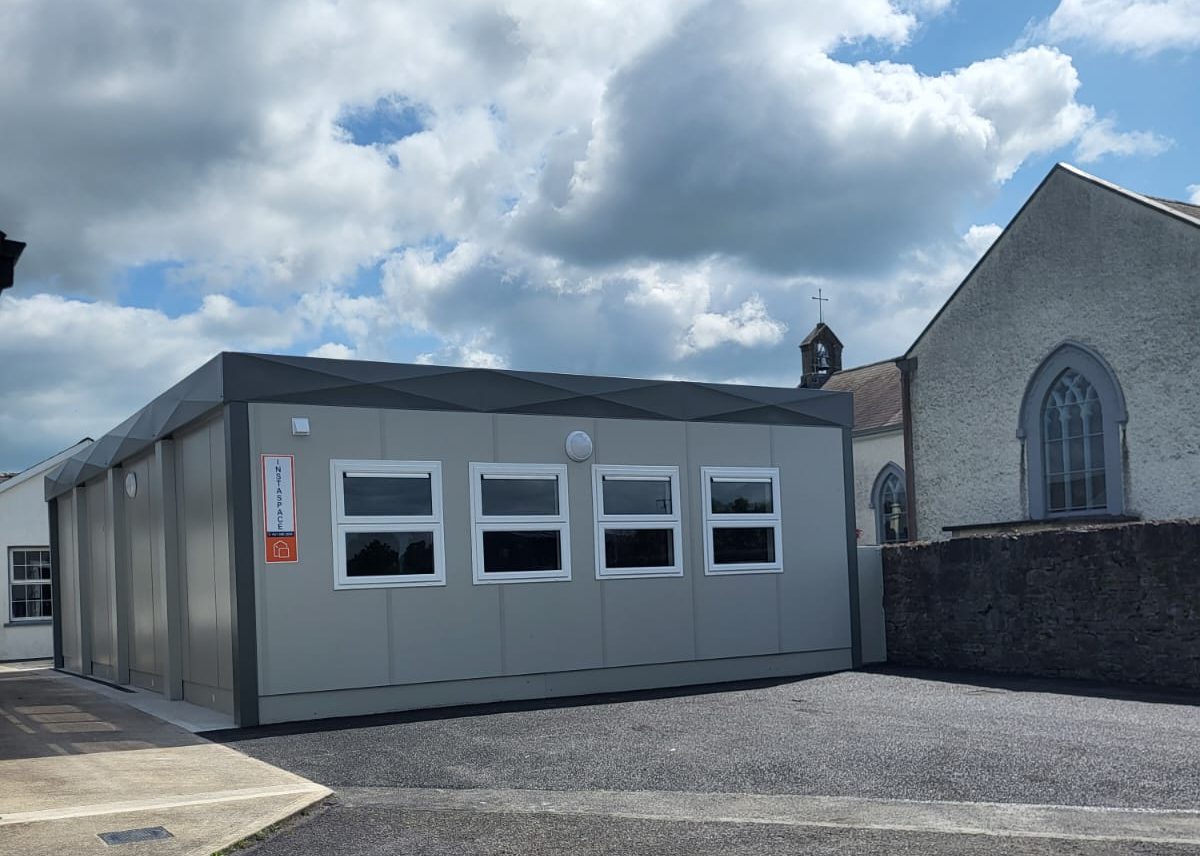
In the evolving landscape of higher education, the design and utilization of university buildings are undergoing a significant transformation. The concept of flexible learning spaces is gaining traction in Ireland, largely due to its ability to cater to diverse learning styles and pedagogical needs. Modular university buildings are at the forefront of this innovative shift, offering adaptable, sustainable, and efficient solutions for educational institutions. This article delves into the benefits and applications of modular architecture in the Irish educational sector, providing insights into how these spaces enhance learning experiences and support academic growth.
Understanding Modular University Buildings
Modular university buildings are structures composed of prefabricated sections, known as modules, which are manufactured off-site and then assembled on location. This method offers several advantages:
- **Speed of Construction**: Modular buildings can be erected in a fraction of the time required for traditional construction, minimizing disruptions to campus activities.
- **Cost-Effectiveness**: The streamlined construction process often results in lower costs, making it an attractive option for educational institutions with budget constraints.
- **Sustainability**: Modular construction typically involves less waste and more efficient use of materials, aligning with environmental sustainability goals.
Discover expert strategies here for integrating modular solutions into existing educational infrastructure.
The Role of Flexibility in Learning Environments
Adaptable Spaces for Diverse Needs
Flexible learning spaces are designed to accommodate a variety of learning activities, from lectures and group work to independent study and collaborative projects. The adaptability of modular buildings allows for:
- **Reconfigurable Interiors**: Spaces that can be quickly altered to suit different teaching methods and class sizes.
- **Enhanced Engagement**: Environments that encourage interaction and participation, fostering a more dynamic learning atmosphere.
- **Technological Integration**: Facilities equipped with the latest technology to support digital learning tools and resources.
Learn about our tailored solutions for creating flexible, technology-enhanced learning environments.
Supporting Educational Innovation
As universities strive to remain competitive and relevant, the ability to innovate in teaching and learning is crucial. Modular buildings support this by providing:
- **Scalable Growth**: The potential to expand or reduce space as needed, accommodating fluctuating student populations.
- **Creative Design Opportunities**: The freedom to experiment with different layouts and designs, promoting creativity and adaptability.
- **Cross-Disciplinary Collaboration**: Spaces that facilitate interaction among different academic disciplines, encouraging interdisciplinary learning.
Explore advanced guides and tips on designing modular spaces that foster innovation and collaboration.
Case Studies: Implementation in Ireland
Several universities in Ireland have embraced modular construction to enhance their campus facilities. These case studies highlight the practical applications and benefits of modular spaces:
- **Dublin’s Leading Institutions**: Universities in Dublin have successfully implemented modular buildings to quickly address the need for additional lecture halls and laboratories.
- **Regional Colleges**: Smaller institutions across Ireland have adopted modular solutions to upgrade outdated facilities and improve their competitiveness.
By learning from these examples, other educational institutions can better understand the potential impact of modular architecture. Find out more about this approach and its success in various Irish universities.
Conclusion
The move towards flexible learning spaces through modular university buildings represents a significant advancement in educational infrastructure in Ireland. This approach not only addresses immediate space needs but also supports long-term educational goals by fostering environments conducive to modern learning styles. As more institutions recognize the value of adaptable, sustainable, and cost-effective building solutions, the trend toward modular construction is likely to continue shaping the future of higher education in Ireland.