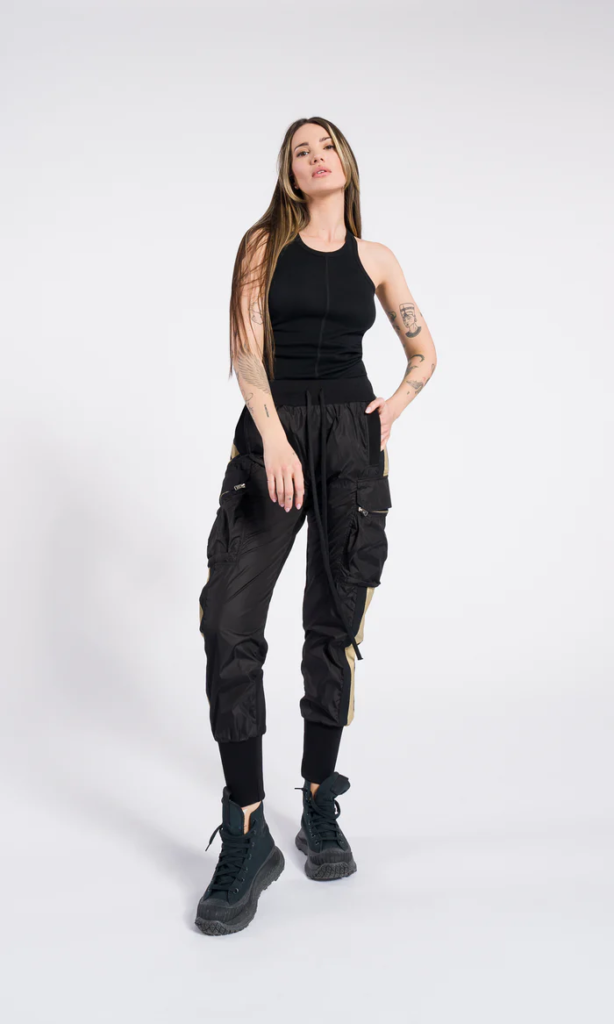
In a world dominated by fast trends, mass production, and disposable wardrobes, a quieter movement is steadily reshaping how we think about clothing. This movement is called slow fashion, and at its heart lies a philosophy of intention, patience, and craftsmanship. Among its most refined expressions is made-to-order minimalism, a design approach that celebrates simplicity, individuality, and conscious creation.
Unlike conventional fashion systems that prioritize speed and volume, made-to-order clothing focuses on garments created only after they are requested. This shift transforms clothing from an impulsive purchase into a meaningful collaboration between wearer and maker. It is not just about style, but about slowing down enough to understand what we truly want to wear and why.
The Philosophy Behind Made-to-Order Minimalism
Made-to-order minimalism is rooted in the belief that less can be more when done with care. It removes the excess inventory, waste, and overproduction associated with fast fashion. Instead, each piece is created with intention, often tailored to the wearer’s preferences, body, and lifestyle.
A slow fashion brand operating in this space prioritizes quality over quantity. Every seam, fabric choice, and silhouette is considered before production begins. This approach encourages a deeper appreciation for clothing as an extension of personal identity rather than a disposable commodity.
Minimalism in this context does not mean plain or boring. It means refined, purposeful, and enduring. It focuses on clean lines, thoughtful proportions, and timeless design that transcends seasonal trends.
The Role of Handmade Garments in Modern Wardrobes
One of the defining elements of this movement is the resurgence of handmade garments. These pieces carry a human touch that machine-driven mass production cannot replicate. From hand-cut patterns to carefully stitched seams, handmade clothing embodies craftsmanship and individuality.
Each garment tells a story. The slight variations in texture, stitch, and form are not imperfections but signatures of authenticity. In a made-to-order system, this becomes even more meaningful because the garment is created specifically for one person, not an anonymous mass market.
Wearing handmade garments often creates a stronger emotional connection to clothing. Instead of cycling through endless purchases, individuals begin to build a wardrobe that feels personal, intentional, and lasting.
Made to Order Garments and the Shift in Consumer Mindset
The rise of made to order garments reflects a significant shift in consumer behavior. People are increasingly questioning overconsumption and seeking alternatives that align with sustainability and ethics. Rather than buying multiple items on impulse, consumers now prefer fewer pieces that are thoughtfully made and designed to last.
This shift also changes the relationship between designer and wearer. Instead of dictating seasonal trends, designers collaborate more closely with clients. Measurements, fabric choices, and design adjustments become part of a shared creative process.
The result is clothing that fits better, lasts longer, and holds more meaning. It also reduces waste since garments are only produced when needed, making it a more responsible approach to fashion production.
Architectural Silhouettes and the Language of Form
A defining feature of many slow fashion collections is the use of architectural silhouettes. These designs draw inspiration from structure, balance, and spatial awareness, much like architecture itself.
Architectural silhouettes often feature bold yet controlled shapes. They may include structured shoulders, flowing drapes, or asymmetrical lines that create visual interest without relying on excessive decoration. The focus is on form, proportion, and movement.
In made-to-order clothing, architectural silhouettes can be adapted to suit individual body types. This personalization ensures that even the most sculptural designs remain comfortable and wearable. The result is clothing that feels both artistic and functional, bridging the gap between fashion and design.
Relaxed Fit Clothing as a New Standard of Comfort
Comfort has become a central theme in contemporary fashion, and relaxed fit clothing plays a major role in this evolution. Loose, easy silhouettes allow for movement and ease while still maintaining a sense of style.
In the context of made-to-order minimalism, relaxed fits are not about hiding the body but about allowing space for it. These garments are designed to flow naturally with the wearer, offering both physical comfort and visual calmness.
Relaxed silhouettes also contribute to longevity in a wardrobe. Because they are less dependent on strict sizing or trend-driven cuts, they remain relevant and wearable across seasons and changing lifestyles.
Oversized Dresses Women Are Embracing
One of the most expressive forms of relaxed fashion is the growing popularity of oversized dresses women are increasingly choosing for both everyday wear and special occasions. These dresses offer freedom from restrictive tailoring while maintaining elegance through proportion and design.
In made-to-order systems, oversized dresses women select can be customized in length, fabric, and structure. This ensures that the volume feels intentional rather than overwhelming. Whether crafted from soft linen, structured cotton, or fluid silk, these dresses embody effortless sophistication.
They also reflect a broader cultural shift toward comfort-driven aesthetics. Women are prioritizing ease without sacrificing style, and oversized silhouettes provide exactly that balance.
The Sustainability of Made to Order Clothing
Beyond aesthetics, made to order clothing offers significant environmental benefits. Traditional fashion systems often produce excess inventory that leads to waste, markdowns, or destruction of unsold items. In contrast, made-to-order models eliminate overproduction entirely.
This approach reduces fabric waste, energy consumption, and storage costs. It also encourages the use of higher quality materials since each piece is crafted with care rather than speed.
For consumers, this means investing in fewer but better garments. It also fosters a mindset of mindful consumption, where each purchase is considered rather than impulsive.
The Emotional Value of Slow Fashion Brand Experiences
A slow fashion brand does more than sell clothing. It creates an experience rooted in storytelling, craftsmanship, and connection. Customers are often involved in the creation process, from selecting fabrics to approving final design details.
This involvement creates emotional value that fast fashion cannot replicate. A garment becomes more than an object; it becomes a memory of collaboration and intention.
Over time, these pieces form a wardrobe that reflects personal evolution. Instead of being replaced every season, they are cherished, repaired, and worn repeatedly, gaining character with age.
Building a Wardrobe Through Made-to-Order Minimalism
Creating a wardrobe based on made-to-order minimalism requires a shift in mindset. Instead of focusing on quantity, the emphasis is placed on versatility, quality, and emotional connection.
Each piece is chosen carefully, often designed to complement multiple outfits and occasions. Neutral tones, thoughtful cuts, and adaptable silhouettes help create cohesion within the wardrobe.
The goal is not to have more, but to have enough. Enough clothing that fits well, feels comfortable, and reflects personal identity without excess.
Over time, this approach reduces decision fatigue and increases satisfaction with everyday dressing. Getting dressed becomes a simpler and more intentional act.
The Future of Fashion Lies in Intention
As awareness of environmental and ethical issues continues to grow, made-to-order minimalism is likely to play a larger role in the future of fashion. It represents a move away from consumption-driven design toward intention-driven creation.
With the rise of handmade garments, made to order garments, and thoughtful slow fashion brand practices, the industry is slowly reimagining what clothing can be. Architectural silhouettes, relaxed fit clothing, and oversized dresses women love are no longer just trends but expressions of a more mindful way of living.