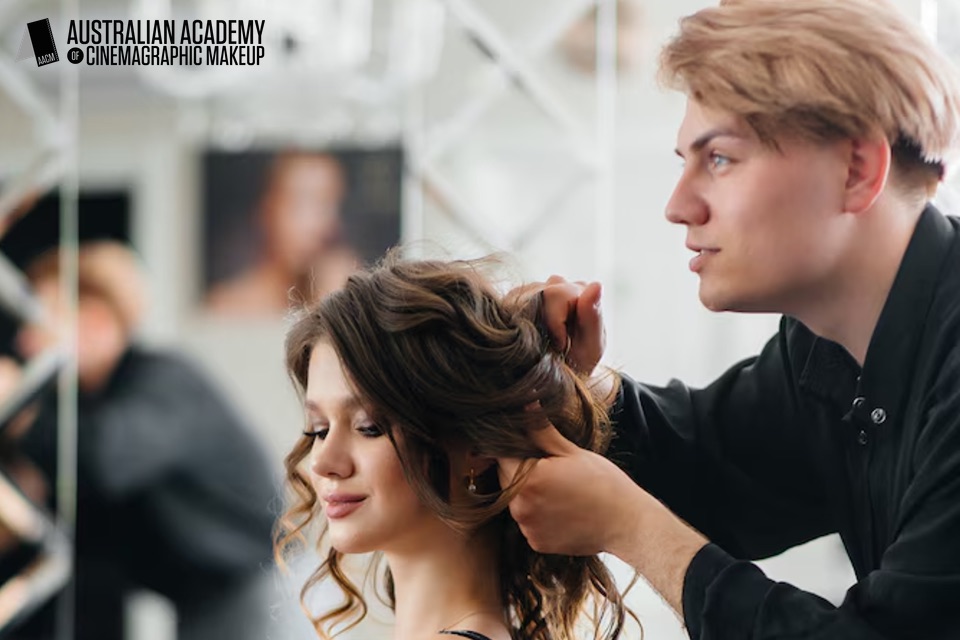
Hairdressing is not just a profession; it is an art form that combines creativity, precision, and a deep understanding of trends and client needs. As the demand for skilled hairdressers continues to grow, pursuing a formal education in this field can significantly enhance one’s career prospects. A well-structured hairdresser course provides the fundamental skills and advanced techniques necessary to excel in this vibrant industry. This guide aims to explore the pivotal components of a comprehensive hairdresser course, helping aspiring stylists make informed decisions about their education and career path.
Understanding the Curriculum
A robust hairdresser course typically covers a wide range of topics, ensuring that students gain a holistic understanding of hairdressing. Key areas often include:
- Hair Cutting Techniques: From basic trims to advanced styles, understanding the nuances of cutting hair is essential.
- Coloring and Highlighting: Learn about the chemistry of hair color and how to achieve vibrant, lasting results.
- Styling and Finishing: Master the art of blow-drying, setting, and creating updos.
- Hair and Scalp Health: Gain insights into maintaining and improving hair and scalp health.
To delve deeper into these subject areas and more, aspiring hairdressers can discover expert strategies here.
Hands-On Experience
Practical experience is crucial in the field of hairdressing. A reputable course will incorporate hands-on training sessions, providing students with opportunities to practice their skills in a controlled environment. These sessions are designed to:
- Enhance technical proficiency through real-life scenarios.
- Build confidence in executing various hairdressing techniques.
- Foster creativity by allowing experimentation with different styles and methods.
For those interested in learning more about how practical sessions are structured, find out more about this approach.
Advanced Techniques and Specializations
As students progress, they may choose to specialize in certain aspects of hairdressing. Advanced courses might cover areas such as:
- Advanced Coloring Techniques: Including balayage, ombre, and intricate color corrections.
- Special Event Styling: Techniques for weddings, fashion shows, and other events.
- Texture Services: Perming, relaxing, and other chemical treatments.
Those looking to specialize can explore advanced guides and tips to refine their skills.
Career Opportunities
Completing a hairdresser course opens up a myriad of career opportunities. Graduates can pursue roles such as:
- Salon Stylist: Working in a salon environment, providing various hair services to clients.
- Freelance Hairdresser: Offering services independently, catering to private clients.
- Hairdressing Educator: Teaching and mentoring future hairdressers.
To learn about the tailored solutions available for aspiring hairdressers, learn about our tailored solutions.
Conclusion
Embarking on a hairdressing course is a step towards mastering a craft that is both rewarding and constantly evolving. By choosing the right educational path, prospective hairdressers can acquire the skills and confidence needed to thrive in this dynamic industry. Whether one aims to work in a high-end salon or launch an independent career, the foundation laid by a comprehensive course is invaluable. Aspiring hairdressers are encouraged to explore the variety of courses available and take the first step towards becoming proficient in the art of hairdressing.