Discovering a dead animal in your home or on your property can be both distressing and a potential health hazard. The presence of a carcass can lead to unpleasant odors, attract pests, and pose serious health risks to humans and pets. It is crucial to address the situation promptly and safely. Here are some quick and effective solutions for dead animal removal that ensure your home remains a healthy and safe environment.
Identifying the Problem
Before tackling the removal of a dead animal, it is essential to confirm its presence and locate the exact spot. Common signs include:
- Persistent foul odor that worsens over time.
- Increased activity of insects such as flies or maggots.
- Unusual and erratic behavior of pets.
- Unexplained stains on walls or ceilings, especially if the animal is within the structure.
Safety Precautions
Handling dead animals can expose one to diseases and parasites. Prioritize safety by following these guidelines:
- Wear protective clothing such as gloves and masks to avoid direct contact.
- Use tools like shovels or tongs to handle the carcass, rather than bare hands.
- Avoid touching your face and wash hands thoroughly with soap and water after handling.
- Dispose of protective gear in sealed bags to prevent contamination.
Dead Animal Removal Steps
1. Locating the Animal
Once signs of a dead animal are present, the next step is to locate it. Check the following areas:
- Attics and basements: These are common hiding spots for rodents and other small animals.
- Crawl spaces and ductwork: Animals often get trapped or seek shelter in these areas.
- Walls and ceilings: Sometimes, the smell might lead you to a wall cavity where the animal might be trapped.
2. Removing the Animal
After locating the animal, remove it carefully:
- Use a plastic bag or a similar containment to wrap and seal the carcass.
- Double-bag the carcass to prevent leakage and odors from escaping.
- Contact local authorities to understand the proper disposal methods as per regulations.
3. Cleaning and Disinfecting
After removal, thorough cleaning is imperative:
- Use a disinfectant to clean the area where the animal was found.
- Ensure proper ventilation to help disperse odor and disinfectant fumes.
- Dispose of any contaminated materials, such as insulation or drywall, responsibly.
Professional Dead Animal Removal Services
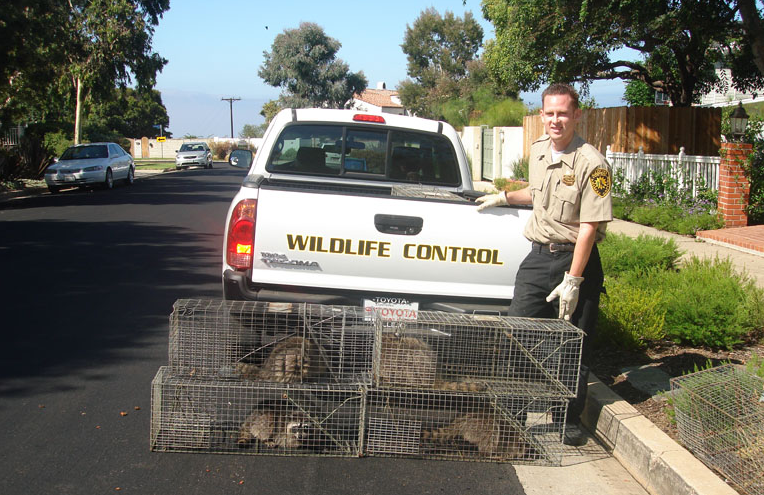
In situations where locating or removing a dead animal is challenging, seeking professional help is advisable. A professional service can efficiently handle dead animal removal and ensure complete disinfection, minimizing the risk of health hazards.
Preventing Future Incidents
Preventive measures can significantly reduce the likelihood of dead animals on your property:
- Seal any entry points in walls, roofs, and foundations to prevent animals from entering.
- Maintain cleanliness by removing food sources that attract wildlife.
- Regularly inspect your property for signs of animal habitation.
- Employ humane traps and deterrents to manage wildlife presence.
Addressing a dead animal situation with promptness and care is essential to maintaining a healthy home environment. By following these guidelines and knowing when to seek professional help, homeowners can effectively manage such issues with minimal disruption and risk.