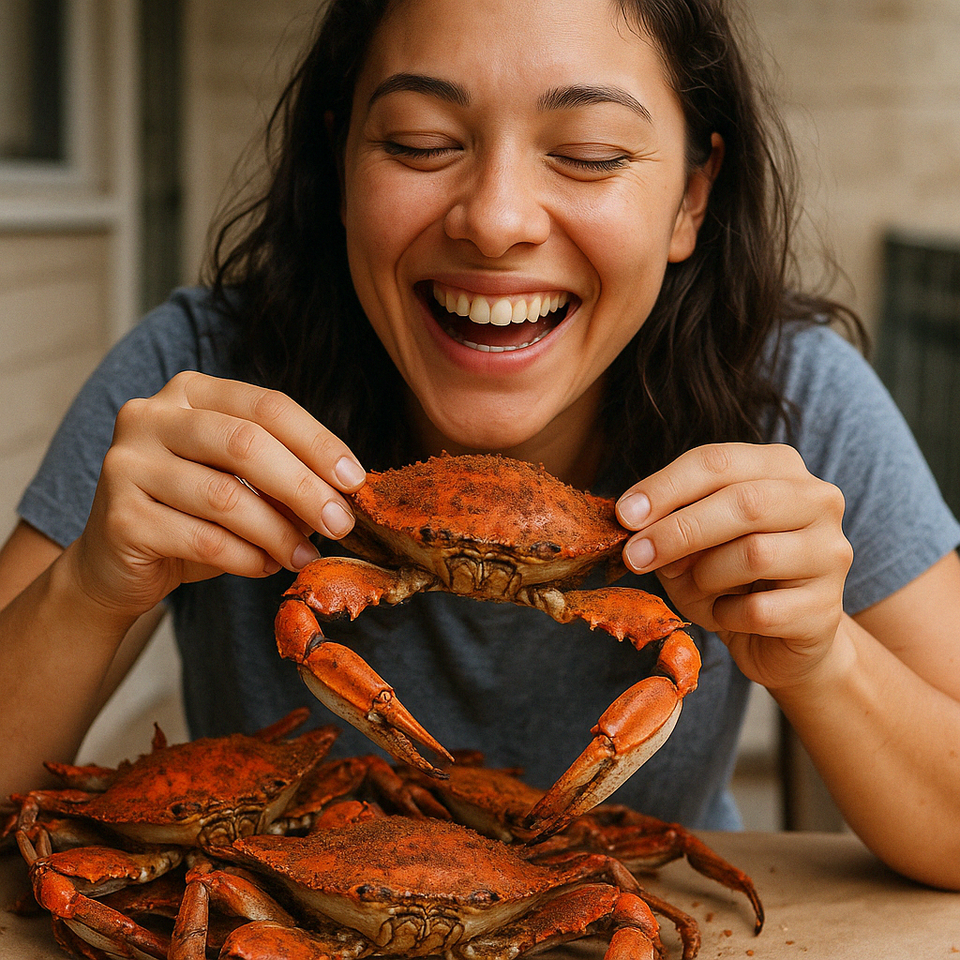
Blue crabs are fascinating creatures that thrive in the brackish coastal waters of the Atlantic Ocean and the Gulf of Mexico. Among them, the female blue crab stands out, not just for her unique reproductive role, but also for her distinctive behavior and ecological significance. Understanding the life of a female blue crab offers valuable insights into marine ecosystems and highlights the importance of sustainable practices in seafood harvesting.
Life Cycle of the Female Blue Crab
The journey of a female blue crab starts from a tiny larva, progressing through various stages before reaching adulthood. The lifecycle of these crustaceans is marked by a series of molts, where they shed their exoskeleton to grow.
- Larval Stage: The life of a blue crab begins as a larva, floating freely in the open waters.
- Juvenile Stage: After undergoing several molts, they settle to the bottom and begin their juvenile stage.
- Adult Stage: Upon reaching maturity, female blue crabs migrate to higher salinity waters to spawn.
To delve deeper into the lifecycle and management of blue crabs, discover expert strategies here.
Behavioral Traits and Reproductive Role
Mating and Migration
The mating process of the female blue crab is both complex and intriguing. Females mate once in their lifetime, shortly after their terminal molt, when they are most vulnerable. Post-mating, they migrate to higher salinity areas to spawn, ensuring the survival of their offspring.
Interested in the behavioral patterns of blue crabs? Explore advanced guides and tips for more detailed information.
Feeding Habits
Female blue crabs are opportunistic feeders, playing a crucial role in the food web. Their diet includes a variety of organisms, such as:
- Small fish
- Clams
- Snails
- Plants
This diverse diet helps maintain the ecological balance, as they control the population of various species. Find out more about this approach to understand their role in the ecosystem.
Ecological Importance and Conservation
The presence of female blue crabs is vital for maintaining healthy aquatic ecosystems. They contribute to the biodiversity of their habitats and are an essential part of the marine food chain.
Conservation Efforts
Given their ecological significance, efforts are being made to ensure sustainable harvesting and conservation of blue crabs. These initiatives focus on:
- Protecting critical habitats
- Regulating fishing practices
- Monitoring population levels
To learn about these tailored solutions, learn about our tailored solutions for sustainable crab management.
Conclusion
The life of a female blue crab is a testament to the intricacy of marine ecosystems. Understanding their behavior and importance not only enriches our knowledge but also emphasizes the need for responsible practices to ensure their sustainability. By exploring the various strategies and guides, one can appreciate the delicate balance these creatures help maintain and the critical need for their conservation.