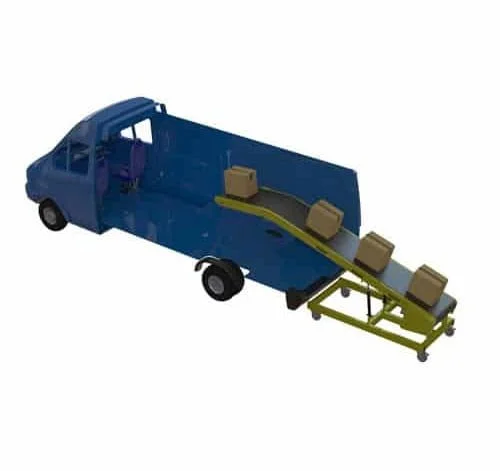
Conveyor belt systems are integral to industrial operations, streamlining processes, and enhancing productivity across various sectors. In India, the demand for efficient conveyor systems has surged due to rapid industrialization and the need for automation in manufacturing and logistics. This guide delves into the nuances of conveyor belt systems, offering insights into their types, applications, and the latest advancements. Industry professionals seeking to optimize their operations can leverage these insights to make informed decisions.
Understanding Conveyor Belt Systems
Conveyor belt systems are mechanical assemblies consisting of belts, pulleys, and motors that facilitate the movement of materials. They are crucial in industries ranging from mining to food processing, providing a reliable means of transporting goods over short and long distances.
Types of Conveyor Belts
- Flat Belt Conveyors: Typically used in manufacturing, these conveyors are ideal for transporting items on level surfaces.
- Modular Belt Conveyors: Known for their flexibility, these are suitable for complex paths and directional changes.
- Cleated Belt Conveyors: Designed with raised sections, they prevent material rollback on inclined paths.
- Curved Belt Conveyors: These facilitate smooth directional changes, enhancing operational efficiency.
Applications in Indian Industries
In India, conveyor belt systems find applications in various sectors:
- Automotive: Streamlining assembly line processes, reducing manual handling.
- Food & Beverage: Ensuring hygienic, efficient transport of products.
- Mining: Facilitating the movement of raw materials in rugged environments.
- Textile: Assisting in the seamless movement of fabrics and garments.
Key Considerations for Selecting a Conveyor System
Choosing the right conveyor belt system is pivotal for operational success. Consider the following factors:
- Material Type: Assess the nature and weight of the materials to be transported.
- Operational Environment: Evaluate conditions such as temperature, humidity, and exposure to chemicals.
- Load Capacity: Ensure the system can handle the intended load without compromising performance.
- Maintenance Needs: Opt for systems that offer ease of maintenance and minimal downtime.
Learn about our tailored solutions for choosing the right system here.
Technological Advancements in Conveyor Systems
The conveyor belt industry in India is witnessing significant technological advancements:
- Automation: Integration of IoT and AI to enhance efficiency and predictive maintenance.
- Energy Efficiency: Development of systems that consume less power, reducing operational costs.
- Smart Systems: Incorporation of sensors and real-time monitoring for enhanced decision-making.
Explore advanced guides and tips on these innovations here.
Maintenance and Safety Protocols
Ensuring the longevity and safety of conveyor belt systems is crucial:
- Regular Inspections: Conduct routine checks to identify wear and tear early.
- Staff Training: Equip employees with the knowledge to operate systems safely.
- Emergency Protocols: Establish procedures for immediate response in case of malfunctions.
Discover expert strategies for maintenance and safety here.
Conclusion
Conveyor belt systems are indispensable in optimizing industrial operations in India. By understanding the types, applications, and advancements, professionals can select systems that align with their operational goals. Find out more about this approach here. Investing in the right conveyor technology not only enhances productivity but also ensures safety and sustainability in the long term.