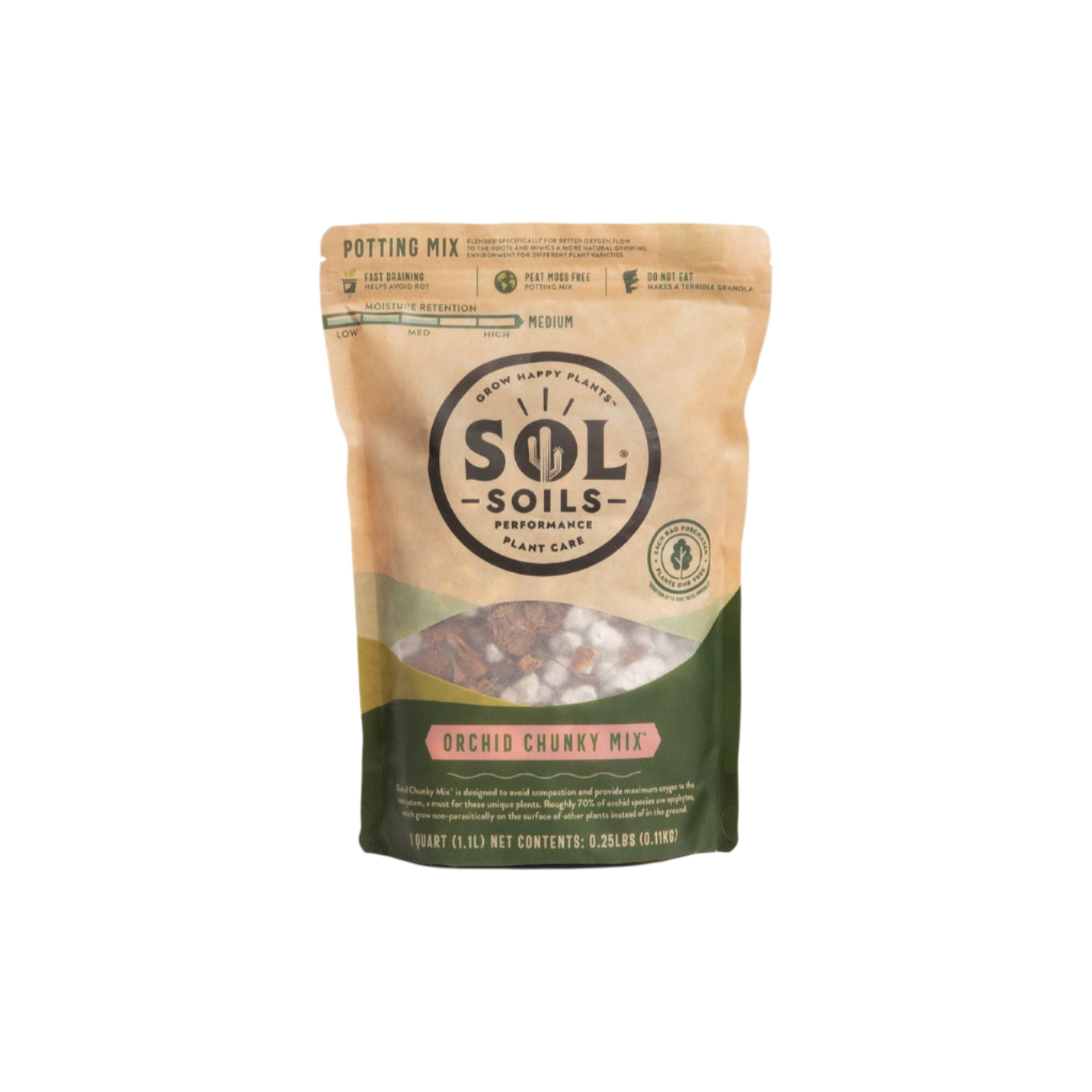
Orchids are often regarded as one of the most beautiful and exotic plants, captivating plant enthusiasts and gardeners alike. While their allure is undeniable, cultivating orchids successfully requires a nuanced understanding of their specific needs, particularly when it comes to the medium in which they grow. Unlike many other houseplants, orchids demand a unique type of soil that accommodates their epiphytic nature. This guide explores the essential components of orchid mix soil to ensure thriving and healthy orchid plants.
Understanding Orchid Mix Soil
Orchids are not your typical terrestrial plants. Many orchids are epiphytes, meaning they naturally grow on the surfaces of other plants in their native habitats. This unique growth habit requires a specialized soil mix that can provide the right balance of support, aeration, and moisture. An effective soil for orchid plants should mimic these natural conditions.
Key Components of Orchid Mix
When selecting a mix, understanding its components is crucial. Here are some of the primary ingredients found in quality orchid soils:
- Bark: Provides structure and support while maintaining aeration and drainage. Typically sourced from fir or pine trees.
- Sphagnum Moss: Offers moisture retention and is particularly beneficial for young or moisture-loving orchids.
- Perlite: Enhances aeration and drainage, preventing water from becoming stagnant.
- Charcoal: Helps absorb impurities and improves the freshness of the soil mix.
- Coconut Coir: An eco-friendly alternative to peat moss, enhancing water retention and aeration.
Selecting the Right Orchid Mix
Choosing what soil is best for orchids involves considering the specific needs of the orchid species being cultivated. For instance, Phalaenopsis orchids, one of the most popular varieties, generally thrive in a mix with a higher bark content, while other types might prefer a combination emphasizing moss or coir.
It’s essential to select a mix that not only meets the needs of the orchid species but also aligns with the growing environment, such as humidity levels and watering habits.
Benefits of Using an Ideal Orchid Soil Mix
Using the orchid best soil can dramatically enhance the health and vitality of these plants. Here are several benefits:
- Improved Aeration: Prevents root rot by ensuring that air circulates freely around the roots.
- Moisture Management: Balances moisture retention and drainage, crucial for preventing overwatering.
- Enhanced Root Support: Provides a stable environment for roots to anchor and grow.
- Nutrient Availability: Supports nutrient uptake essential for growth and flowering.
Maintaining Orchid Soil Quality
Maintaining the quality of the Best orchid soil is vital for sustained plant health. Over time, the mix can break down, affecting its structure and function. It is recommended to repot orchids every one to two years to refresh the growing medium.
When repotting, gently remove the orchid from its current pot, clean the roots, and replant it in a fresh orchid mix. This process not only rejuvenates the plant but also provides an opportunity to inspect and prune any damaged roots.
Conclusion
Understanding the unique requirements of orchids is essential for their successful cultivation. The right orchid mix soil plays a pivotal role in mimicking the natural habitat of these exquisite plants, ensuring they thrive and flourish. By selecting a tailored mix, monitoring its condition, and performing regular maintenance, gardeners can enjoy the beauty of orchids for years to come.