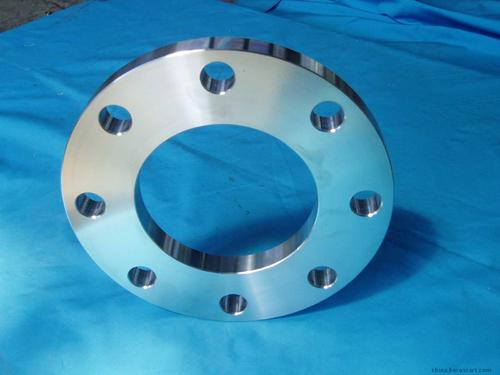
In the industrial world, the quality of components such as flanges plays a pivotal role in ensuring the efficiency and safety of various systems. The 10k steel flange is a critical component used in numerous applications, from pipelines to pressure vessels. Ensuring the quality of these flanges is paramount to avoid failures that could lead to catastrophic consequences, including safety hazards and financial losses. Quality assurance in the manufacturing of these flanges is not just about meeting regulatory standards; it is about guaranteeing reliability and performance in demanding environments.
The Role of Quality Assurance in Manufacturing
Quality assurance (QA) refers to the systematic processes that manufacturers implement to ensure that products meet predefined standards and specifications. In the context of 10k steel flanges, QA is essential for several reasons:
- Compliance with Standards: Adhering to both national and international standards ensures that flanges can be used globally without risk of failure.
- Risk Mitigation: Proper QA processes help identify potential flaws during the manufacturing process, reducing the risk of defective products reaching the market.
- Customer Satisfaction: Providing high-quality products builds trust and reliability, leading to repeat business and a strong reputation in the industry.
- Cost Efficiency: Identifying defects early in the production process can significantly reduce costs associated with recalls or repairs.
Key Processes in Quality Assurance
Material Selection and Testing
The first step in ensuring quality is selecting the appropriate materials. For 10k steel flanges, this involves choosing the right grade of steel that can withstand the pressure and temperature conditions it will encounter. Rigorous testing, including chemical composition analysis and mechanical properties testing, is essential to verify that the materials meet the necessary standards.
Precision Manufacturing Techniques
Employing advanced manufacturing techniques ensures that each flange is produced to exact specifications. This includes:
- CNC Machining: Utilizes computer-controlled machinery to produce flanges with precise dimensions and tolerances.
- Heat Treatment: Enhances the mechanical properties of the steel, such as hardness and strength, ensuring durability under pressure.
Inspection and Testing
Quality assurance does not stop at manufacturing; rigorous inspection and testing are crucial. This includes:
- Non-Destructive Testing (NDT): Techniques such as ultrasonic testing or magnetic particle testing to detect surface or subsurface defects without damaging the product.
- Dimensional Inspection: Ensures that each flange meets the precise measurements required for its application.
- Pressure Testing: Verifies the flange’s ability to withstand the operational pressure without leaking or failing.
Continuous Improvement in Quality Assurance
Quality assurance is not a one-time effort but a continuous process of improvement. Manufacturers must regularly update their QA processes to incorporate the latest technologies and best practices. This involves:
- Training and Development: Regularly training staff on new QA techniques and technologies to ensure they are skilled and knowledgeable.
- Feedback Loops: Creating systems to gather feedback from clients and field operations to identify areas for improvement.
- Technological Advancements: Integrating new technologies such as artificial intelligence for predictive analysis in quality control.
Conclusion
The importance of quality assurance in the manufacturing of 10k steel flanges cannot be overstated. Through diligent QA processes, manufacturers ensure that their products are not only compliant with industry standards but also reliable and efficient in their applications. As industries continue to evolve, so too must the methods of ensuring quality, keeping pace with technological advancements and increasing demands. By prioritizing quality assurance, manufacturers safeguard their operations, protect their clients, and maintain their standing as leaders in the field.