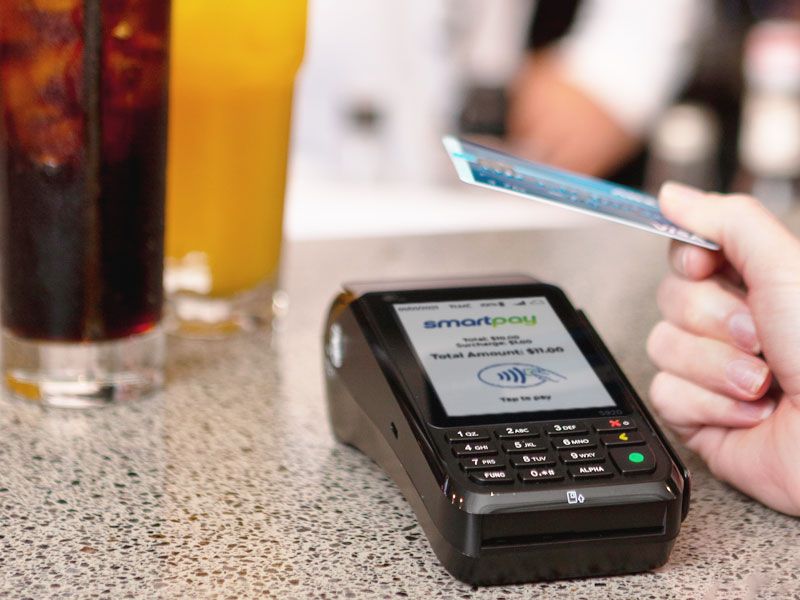
In the dynamic world of commerce, the role of Electronic Funds Transfer at Point of Sale (EFTPOS) facilities has become increasingly pivotal. As businesses strive to keep up with evolving consumer expectations, the integration of efficient payment systems is more crucial than ever. EFTPOS facilities offer a seamless transaction experience, enhancing both customer satisfaction and operational efficiency. This article delves into the significant impact of EFTPOS systems in modern business environments, exploring their advantages, functionality, and future trends.
The Advantages of EFTPOS Facilities
EFTPOS facilities have revolutionized the way businesses handle transactions. Here are some of the key benefits:
- Convenience: EFTPOS systems facilitate quick and easy payments, reducing the need for cash handling and minimizing queues.
- Security: With advanced encryption technologies, EFTPOS facilities ensure secure transactions, protecting both customers and businesses from fraud.
- Efficiency: Automated payment processes streamline operations and reduce manual errors, enabling businesses to focus on core activities.
- Versatility: EFTPOS systems support a variety of payment methods, including credit and debit cards, mobile payments, and digital wallets.
How EFTPOS Works
The functionality of eftpos facilities is rooted in their ability to connect merchants with financial institutions seamlessly. Here’s a basic overview of how EFTPOS transactions occur:
- The customer presents their card at the point of sale terminal.
- The terminal reads the card information and sends a transaction request to the bank or payment processor.
- Once the transaction is authorized, the funds are transferred from the customer’s account to the merchant’s account.
- A receipt is generated, confirming the successful transaction.
Key Components of EFTPOS Systems
Understanding the components of EFTPOS systems helps in appreciating their efficiency:
- Card Reader: Reads the customer?s card information via chip or magnetic stripe.
- Keypad: Allows customers to input their PIN securely.
- Receipt Printer: Provides a physical record of the transaction.
- Communication Interface: Connects to the bank’s network for transaction processing.
Future Trends in EFTPOS Technology
As technology continues to evolve, EFTPOS systems are expected to undergo significant transformations. Some emerging trends include:
- Contactless Payments: The rise of NFC technology is making tap-and-go payments more prevalent, offering even faster transaction speeds.
- Integration with Mobile Devices: Businesses are increasingly adopting mobile-based EFTPOS solutions, allowing flexibility in payment processing.
- Enhanced Data Analytics: Advanced EFTPOS systems provide valuable insights into consumer behavior, aiding in strategic decision-making.
- Blockchain Technology: The incorporation of blockchain could potentially enhance security and transparency in transactions.
Conclusion
In conclusion, the integration of EFTPOS facilities in modern commerce is not merely an option but a necessity for businesses aiming to thrive in a competitive market. By offering secure, efficient, and versatile payment solutions, these systems play a crucial role in enhancing customer experiences and streamlining business operations. As technological advancements continue to shape the landscape, businesses must remain adaptable, embracing new trends to optimize their transaction processes effectively.