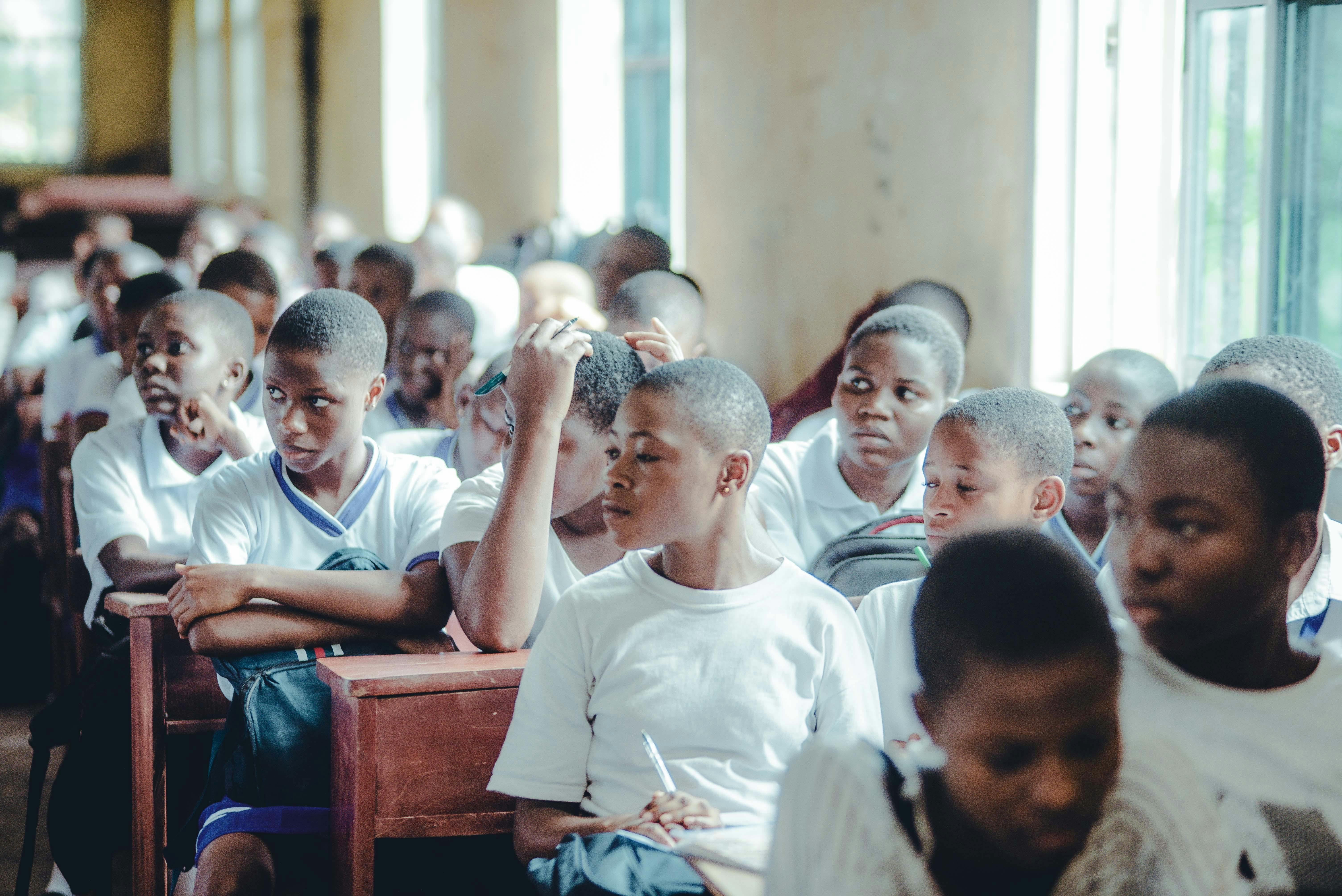
Parents seeking the best educational opportunities for their children often consider private school education as a viable option. The decision to enroll a child in a private school can be influenced by various factors, including the desire for a more tailored educational experience, smaller class sizes, and access to a wide range of extracurricular activities. This article explores the numerous benefits associated with private school education, providing insights into why it remains a popular choice for many families.
Customized Learning Experiences
One of the primary advantages of private schools is the ability to offer customized learning experiences. These institutions often have the flexibility to design specialized programs that cater to the unique needs and interests of each student. This tailored approach can be particularly beneficial for students who require additional support or for those who are exceptionally gifted.
- Smaller class sizes allow for more individualized attention from teachers.
- Curricula can be adjusted to include advanced or remedial courses as needed.
- Often, there is a focus on holistic development, including emotional and social growth.
To delve deeper into how private schools achieve this level of customization, read more about this topic.
Enhanced Academic Opportunities
Private schools are known for their rigorous academic standards. They often offer a diverse range of courses and programs that might not be available in public schools. This includes Advanced Placement (AP) courses, International Baccalaureate (IB) programs, and specialized arts and science tracks.
Benefits of Rigorous Academics
- Preparation for higher education with college-level coursework.
- Opportunities for students to engage in research and independent study projects.
- Access to state-of-the-art facilities and resources that enhance learning experiences.
For students and parents interested in exploring these academic opportunities further, learn more in this detailed guide.
Extracurricular Activities and Enrichment Programs
Beyond academics, private schools often provide a wide array of extracurricular activities and enrichment programs. These activities are designed to foster a well-rounded education and help students discover and develop their passions and talents.
- Sports teams and athletic programs that promote physical health and teamwork.
- Art, music, and theater programs that encourage creativity and expression.
- Clubs and organizations that build leadership skills and community involvement.
Extracurricular activities play a crucial role in the overall development of students. Explore further insights here.
Safe and Supportive Learning Environment
Another significant benefit of private school education is the emphasis on creating a safe and supportive learning environment. Private schools often have more resources to dedicate to security measures and student support services, ensuring that students feel secure and valued.
- Enhanced security protocols to ensure student safety.
- Access to counseling and wellness programs that support mental health.
- Strong community and parental involvement in school activities and governance.
For additional information on how private schools maintain these environments, find additional information here.
Conclusion
Private school education offers a plethora of benefits that can significantly contribute to a child’s academic, social, and emotional development. From personalized learning experiences to enhanced academic opportunities and a strong focus on extracurricular activities, these institutions provide a comprehensive educational environment. As families weigh their options, understanding the potential advantages of private schooling can be a critical factor in making informed decisions about their children’s future.