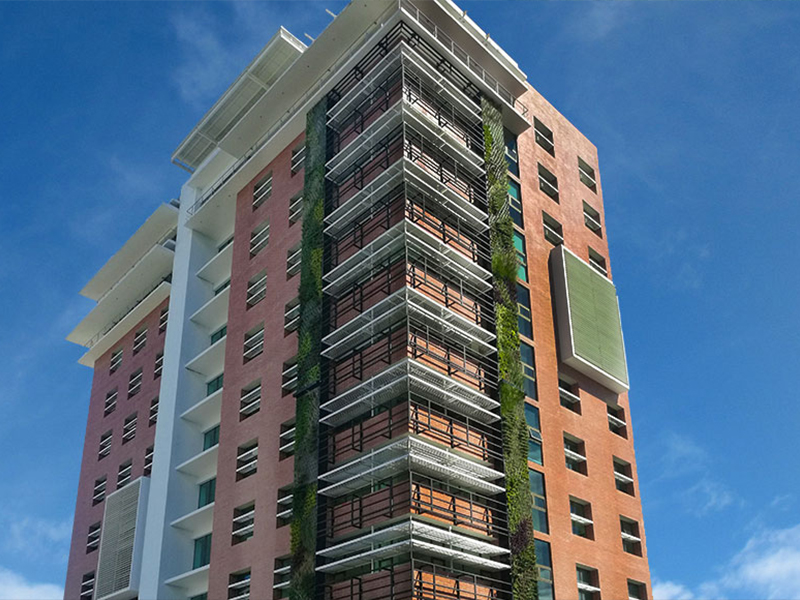
As urban areas continue to expand, the challenge of integrating nature into cityscapes becomes increasingly prominent. Urban green solutions present an innovative approach to this challenge, blending nature seamlessly with urban life. These solutions not only enhance aesthetic appeal but also contribute significantly to environmental sustainability and improved quality of life. By adopting green strategies, cities can transform into eco-friendly environments that support biodiversity, reduce pollution, and promote the well-being of their inhabitants.
The Need for Urban Green Solutions
The rapid pace of urbanization has led to several environmental concerns, including:
- Increased air pollution levels
- Loss of green spaces
- Rising urban temperatures (heat islands)
- Reduced biodiversity
Addressing these issues requires innovative solutions that prioritize ecological balance. Urban green solutions, such as green roofs, vertical gardens, and urban forests, offer practical methods for integrating nature into city planning. Discover expert strategies here to learn how these initiatives can be implemented effectively.
Benefits of Implementing Green Solutions
Integrating nature within urban environments offers numerous benefits:
- Improved Air Quality: Plants filter pollutants and provide cleaner air.
- Temperature Regulation: Green spaces help in cooling urban areas, mitigating heat island effects.
- Enhanced Biodiversity: Urban greening supports a variety of plant and animal species.
- Psychological Well-being: Access to green spaces has been linked to reduced stress and improved mental health.
To explore advanced guides and tips on urban greening, visit this resource and gain insights into sustainable urban planning.
Key Urban Green Solutions
Vertical Gardens
Vertical gardens, also known as living walls, are a spectacular way to maximize green space in urban settings. These gardens use vertically suspended panels filled with vegetation, offering a practical solution for space-constrained environments. Learn about our tailored solutions to incorporate vertical gardens into urban landscapes effectively.
Green Roofs
Green roofs are another innovative solution, providing a layer of vegetation on building rooftops. These installations not only enhance the aesthetic value but also offer insulation benefits, reduce stormwater runoff, and create habitats for urban wildlife. Find out more about this approach to learn how green roofs can transform cityscapes.
Urban Forests
Urban forests play a critical role in creating sustainable cities. They serve as natural air filters, carbon sinks, and recreational spaces for city dwellers. The establishment of urban forests requires strategic planning and community involvement. Explore advanced guides and tips on how to develop and maintain urban forests effectively.
Conclusion
Urban green solutions offer a viable path toward sustainable city development, providing ecological, social, and economic benefits. By incorporating green infrastructure into urban planning, cities can create healthier environments for future generations. Stakeholders, including urban planners, policymakers, and communities, must collaborate to prioritize these sustainable strategies. For more information on implementing urban green solutions, discover expert strategies here.